
What Should We Do With the Objects We Cannot Display? Lessons from the V&A East Storehouse
- By Mary Corrigall
 Image courtesy of V&A, photo credit: Hufton & Crow
----------------------------
Dizziness takes hold by the time I reach the third level of the V&A East Storehouse. It’s the transparent flooring and the open design of the storeroom, offering panoptic views that have triggered vertigo. Designed by the renowned New York architecture firm Diller Scofidio + Renfro, the transparency feature was no doubt intended to echo the intent to lay bare the machinations of museum culture and exhibition making. One might term it ‘transparent curation,’ though the phrase is somewhat oxymoronic. It’s a vertiginous concept for a museum that is not a museum, but perhaps an apt one in an era in which some believe we should be building museums for museums, given the multitude of challenges they face. Transparent curation might also counteract the moral shift in curation that has sanitised art and encouraged artists to follow an implicit moral code.
The V&A East Storehouse, which is situated in London’s Olympic village, opened last year in May and is a novel offshoot of the famous V&A museum in Kensington, as it invites the public to browse through the museum’s extensive collection. It houses a staggering 250 000 objects, 350 000 books and 1 000 archives from the V&A’s collection. As a design museum, the objects range from garments, textiles, furniture, theatre and performance ephemera to metalwork, ceramics, sculptures, paintings and rather surprisingly pieces of buildings and entire interior spaces - such as a fully intact office interior designed by Frank Lloyd Wright in the mid-to-late 1930s.
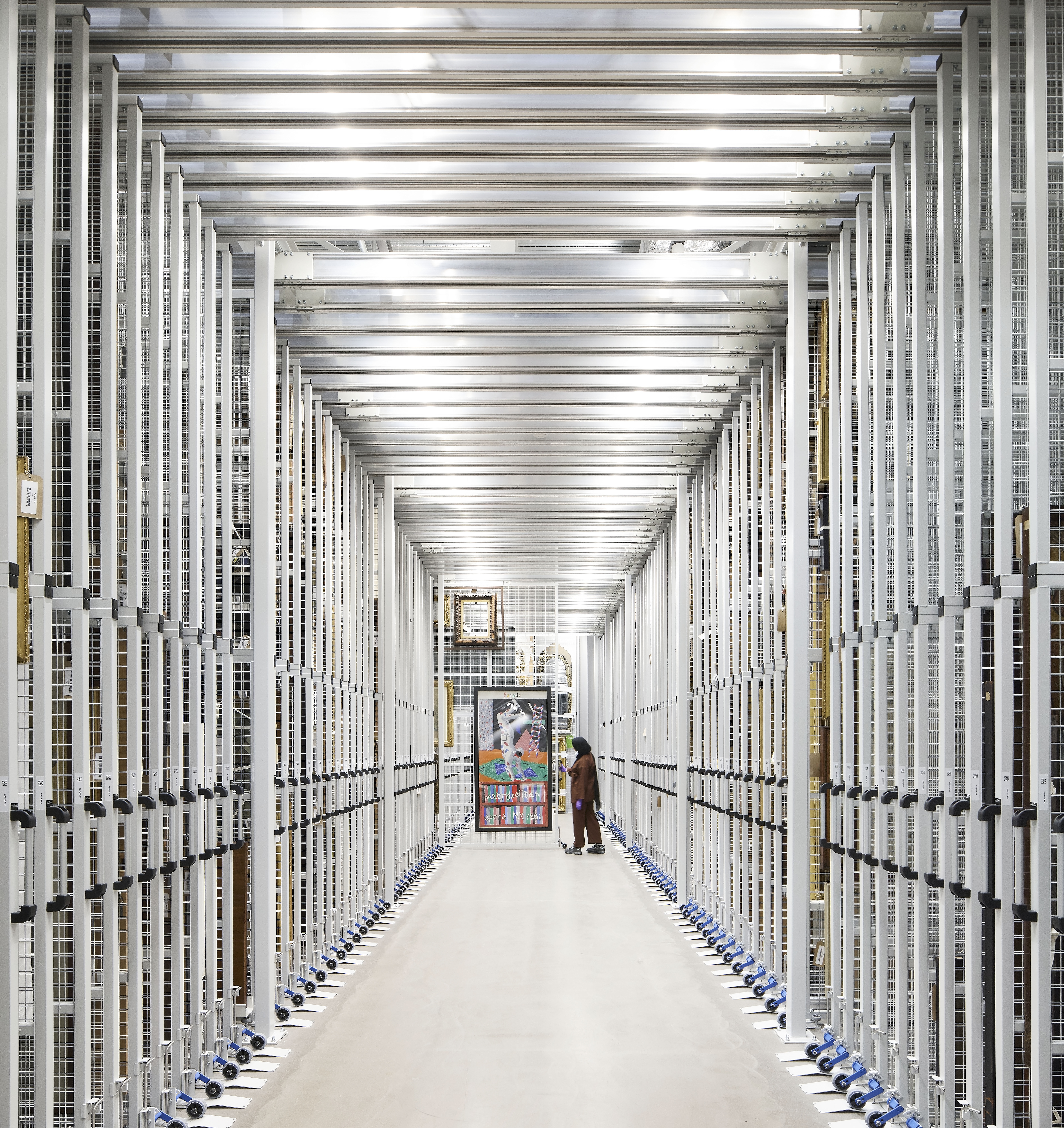
Image courtesy of V&A, photo credit: Hufton & Crow
I set aside a day for my visit – with the rather naive notion that I would literally browse through the 250 000 objects. I was especially interested in the items the museum seldom, if ever, exhibits. As the latest censorship debacles in South Africa have shown, the works that are prevented from being circulated or exhibited are the ones that reveal the ideological fault-lines in our society.
The line between censorship and curating is finer than most of us would like to believe. Curation involves the careful selection process, requiring thoughtful decisions regarding inclusion and exclusion. This process can be significantly more subtle than explicit censorship, which is open to public scrutiny and discussion. Its understated nature may escape the notice of many viewers, especially those who lack familiarity with art history or its foundational critical dialogues.
Several months ago, British art historian Rosanna McLaughlin expressed concern in The Guardian about curators increasingly sanitising artists' practices, perspectives, and the content of their work. She described this as part of a "moral turn" in exhibition curation, where curators retrospectively present artists as advocates for social justice and models of community engagement.
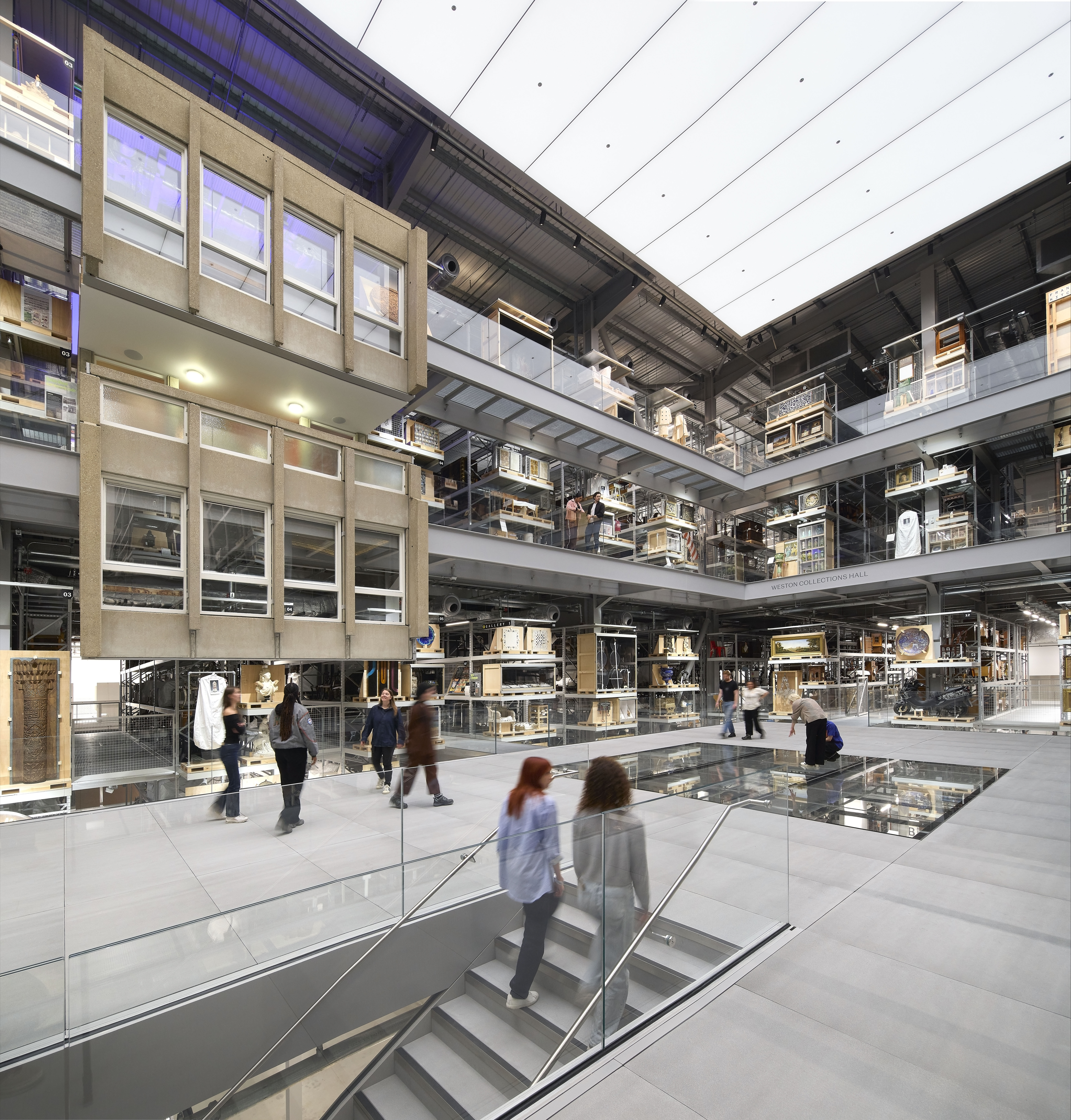
Image courtesy of V&A, photo credit: Hufton & Crow
By way of an example, she referenced how curators of a 2020 exhibition on Andy Warhol at the Tate Modern described the artist in wall text as someone who “provided a safe space for queer culture” while overlooking some of the less savoury aspects of his practice such as the way in which he “fetishised electric chairs, filmed fame-seekers high on drugs, and made art from an image of a young woman falling to her death.”
In the context of this ‘morality turn’ in exhibition discourse, the V&A Museum finds itself in a sticky position. A significant portion of its collection was likely acquired during the colonial era, either because it reinforced certain racial or cultural stereotypes, or it was taken through looting — often after violent invasions or even the destruction of entire tribes, peoples, or villages. Most often, the information about the object – its actual rather than perceived role in a ritual or society – is often lost or its maker’s name is erased in this process, leading to what art historian Dan Hicks in Brutish Museums: The Benin Bronzes, Colonial Violence and Cultural Restitution (2020) refers to as a ‘double bullet’ – violent annihilation followed by cultural erasure.
Even if the director of the V&A wished to facilitate the return of these disputed objects, current UK legislation (the 1983 Heritage Act) restricts museums from pursuing such actions due to a lack of political impetus to amend the law. Institutions such as the British Museum would face significant reductions to their collections should this legislation be repealed.
On paper, the Storehouse concept – displaying objects in an archive setting and without a curatorial framing or necessity for a curatorial voice to guide the viewer – can bypass this crisis that European and American museums face – and allow them to shore up some sort of moral position – as it centres on ‘transparency’ and a non-hierarchical selection process.
 Image courtesy of V&A, photo credit: Hufton & Crow
For example, they exhibit ‘contested’ objects alongside reflections from the curators that are led with questions such as “What should we do with looted objects?” How does this differ from a conventional museum display, you may ask. Well, the objects are shown in isolation and randomly, among many other kinds of objects from different eras and cultures. As a result, they are not knitted into ‘complete’ narratives that require a curatorial position or resolution. This reinforces the concept that each object circulates within a complex environment of artefacts, all of which have been removed from their original contexts and brought together via classification systems set by different ideological and political perspectives.
In a South African context, it’s easy to imagine how a storehouse ‘museum’ could be useful to curators and museum directors who are burdened with storing artworks no one ever sees. Consider the Johannesburg Art Gallery, which not only faces challenges related to storage space but must also address the display of certain European works acquired during the colonial or apartheid periods, as well as pieces depicting women or Black subjects in ways that are now considered inappropriate. These works in their collection are often withdrawn from circulation.
Nevertheless, the V&A East Storehouse, in its current format, doesn’t completely fulfil the ethical loophole that the setting provides. For starters, the curatorial hand remains firmly in play.
Sadly, you don’t quite get an opportunity to roam about the storeroom freely, which has three levels. Via the terrifying transparent paths, you can only view a selection of works – that have been selected for viewing and are self-consciously labelled by curators. In this case, the texts in the non-displays address specific challenges curators encounter, such as how to archive and exhibit performances or live events — including performance art, theatre, and music concerts. The preservation role that museums play is highlighted via displays that show how garments, for example, are restored. You can also see into a large room where restoration of objects is undertaken. It was empty in December but presumably at other times of the year, you can see the conservators at work. What is novel is you see the curators wandering around looking, cleaning, and inspecting objects not only in storage but in a large room from which visitors have a bird’s-eye view.
Most interesting of all the ‘displays’ was a multimedia presentation of an important modernist social housing originally designed by Sir Alison & Peter Smithson in the late 1960s. That estate no longer exists in its entirety since much of it was demolished. Though a fragment of this building hangs from the third level, showing an intact façade of the building, video footage, audio recordings and a reconstruction of one of the passageways all work towards archiving not only the building but something more intangible and fleeting – a community.
It’s a stark reminder that objects, artworks, architecture, fashion are attached to narratives, conditions and societies that are difficult to archive, display or preserve for future generations.
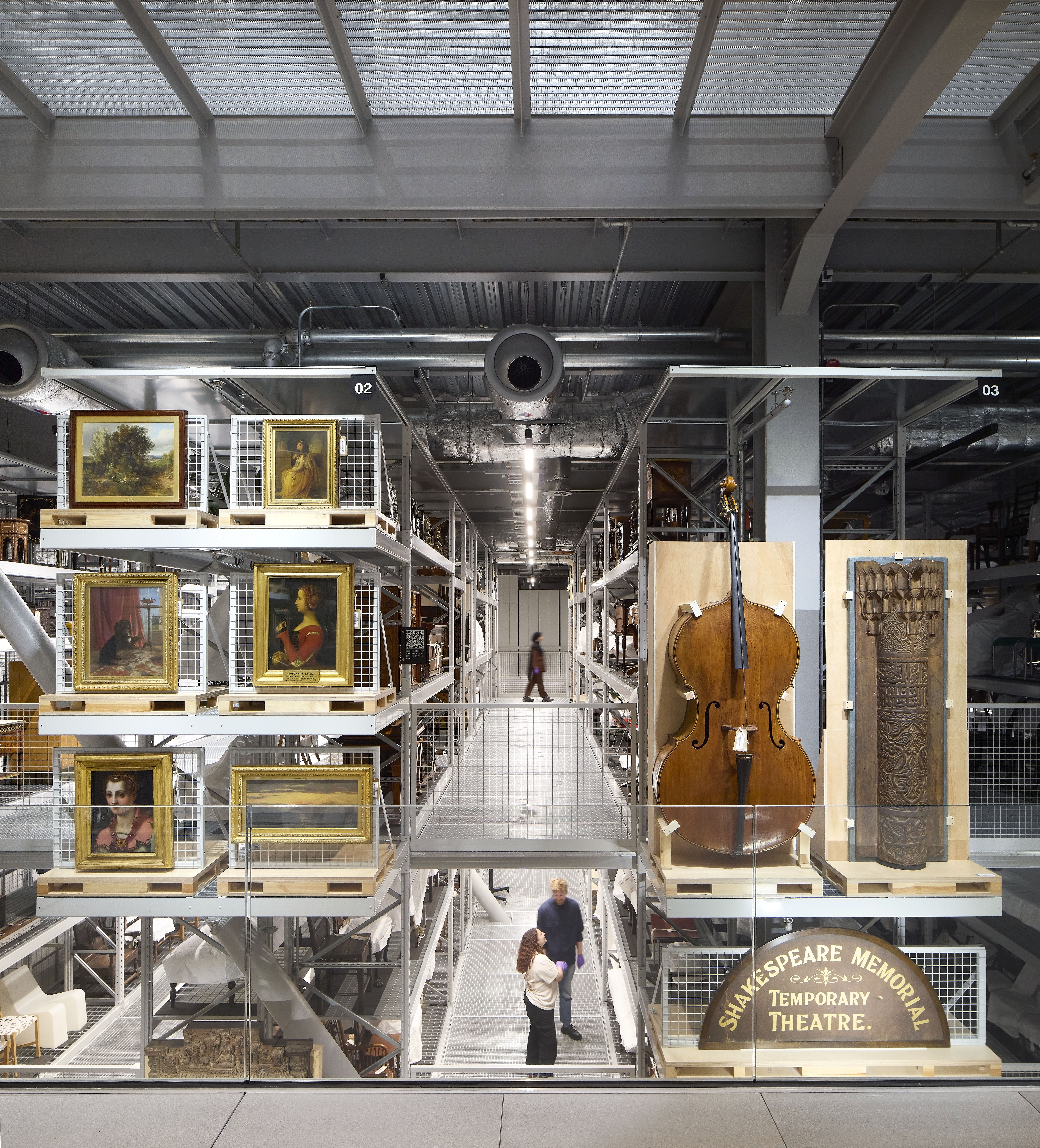
Image courtesy of V&A, photo credit: Hufton & Crow
If you are organised, you can inspect any work in the V&A East Storehouse, but you must select it in advance and put an ‘order’ to view it in a demarcated room. From this perspective, anyone can be a curator — they can access all items and see the complete archive, rather than just a filtered selection that matches contemporary values. In this way, the museum is empowering their audience in an unprecedented way, though they do have a hand in ‘guiding’ your experience through the storeroom. This reflects our engagement with visual culture in digital environments, where it’s easy to believe we have access to anything online, when our exposure is curated by algorithmic processes.
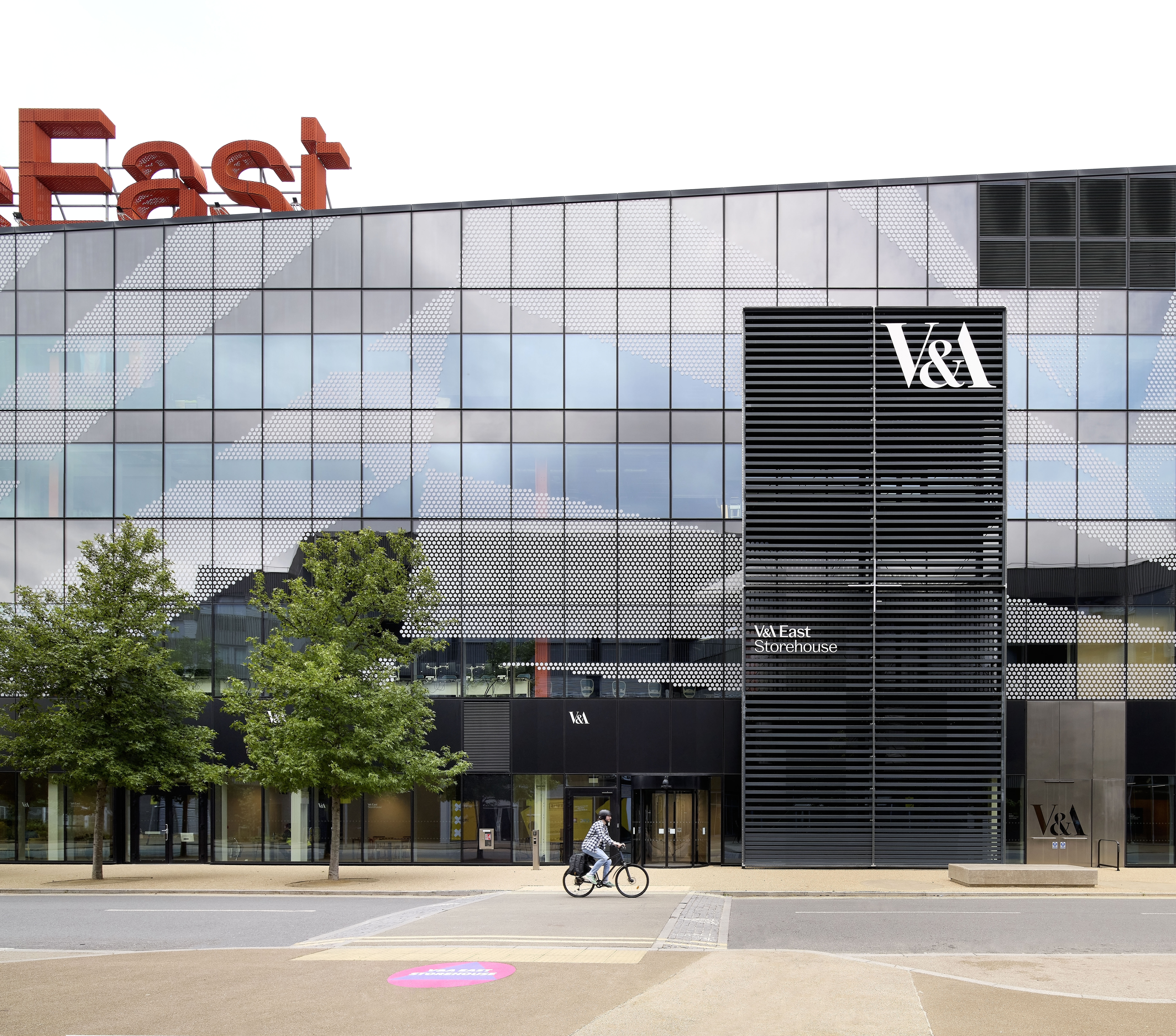 Image courtesy of V&A, photo credit: Hufton & Crow
‘Transparent curation’ allows viewers an unfettered glimpse into archives, but are they ready for it? A small exhibition dedicated to archives relating to David Bowie offered at the V&A East Storehouse was sold out on the day I visited. This ticketed display – access to the storehouse is free – generates income but it does suggest that the compulsion to create and consume exhibitions and make sense of archives is hard to resist.
- Mary Corrigall is a Cape Town based commentator, art consultant and director of Heat Winter Arts Festival
Further Reading In Articles


African Artist Directory