
In the weave
Award-winning architecture firm Boogertman + Partners returns to the RMB Latitudes Art Fair this year to design the centre court lounge for a second time. Introducing an all-new design concept, the 2026 central lounge is envisioned as a spatial intervention to stimulate the mind and senses – and provide an opportunity for visitors to relax, connect and recharge while engaging with the surrounding artwork.
This year's design is inspired first and foremost by the materiality of fabric and textiles, prompted by the wide and inspiring range of textile-based artworks featured at the fair, and its place in contemporary art in a broader African context.
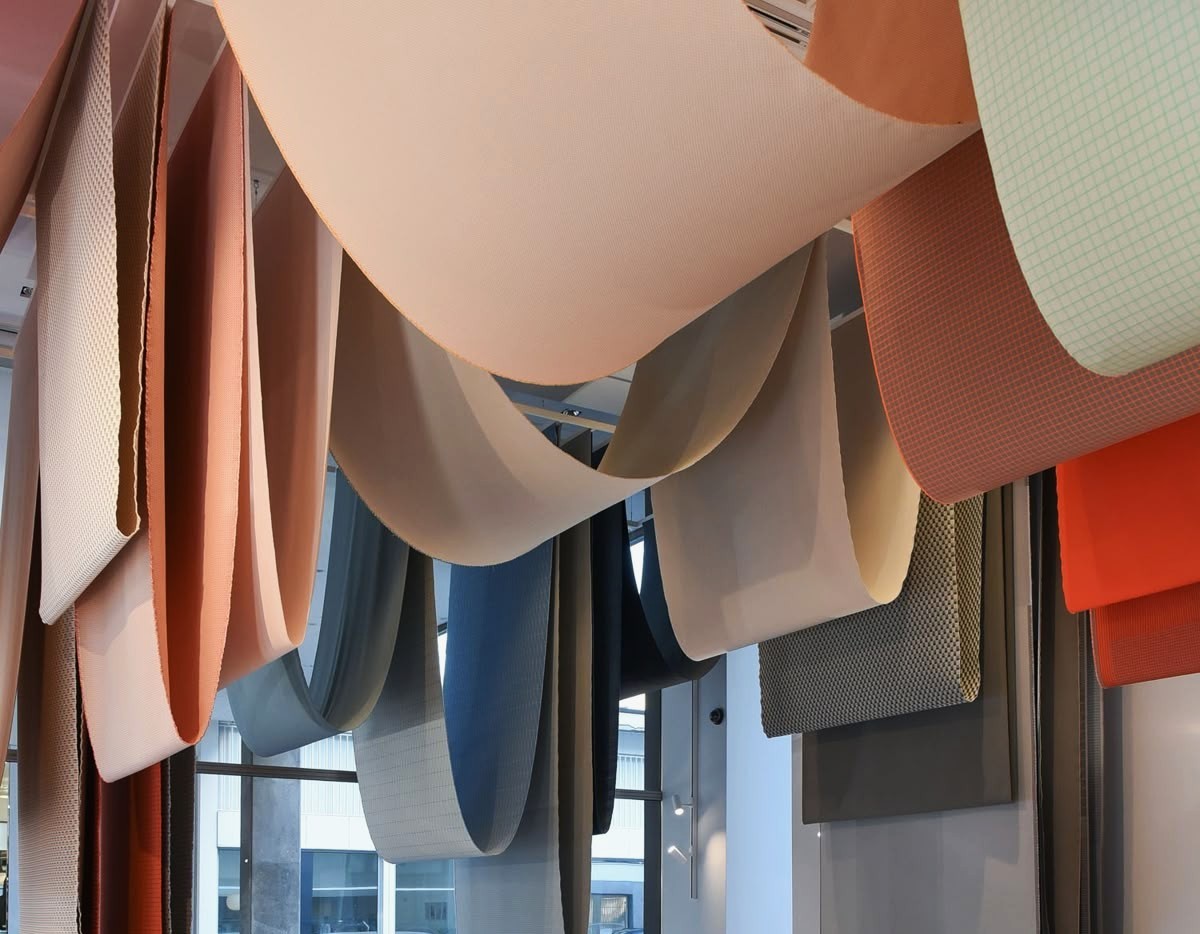
Images courtesy of Boogertman + Patners.
Boogertman + Partners has used the lounge as an opportunity to explore the possibilities of the patterns and concepts that inform textile art as an architectural and spatial experience.
“At the heart of the concept is the idea of weaving as a metaphor for connection,” says Boogertman + Partners Associate Director and head of Interior Design Julia du Plessis. “Across Africa, weaving has long been used to create objects that support daily life: baskets, mats and fabrics that hold cultural significance. We have experimented with an architectural expression of notions of crossing, connection and communication, inspired by the potential of Africa’s craft heritage in contemporary artistic expression.”
The central lounge’s position in the fair’s main marquee requires that it serves multiple roles. The intervention needs to function as a pause area, a point of social connection, a place to sit and rest or contemplate the surrounding art, and a gathering space for events and presentations. “At the same time, it needs to facilitate the flow of pedestrian traffic in, around and through the marquee to prevent congestion and bottlenecks, especially around entrances and other high-traffic areas,” explains architect Elzanne Pieterse-Fanner, Associate at Boogertman + Partners.
Boogertman + Partners has once again collaborated with key suppliers and manufacturers to bring the concept to life. They include:
- X-Furniture
- Belgotex
- Sonae Arauco
- Fabric Bank
- Hertex
- Regent Lighting Solutions
- Hafele
- Loulou d.
- MF Creations
- Dulux
“Taking our starting point as the grid-like structure of the loom, the three-metre space is organised along a 500mm x 500mm grid derived from the dimensions of the carpet tiles supplied by Belgotex,” says Pieterse-Fanner.
A custom-designed modular furniture system manufactured by X-furniture using the new Textile Linen finished wood-based panels from Sonae Arauco extrudes the spatial logic of the grid into three dimensions. Modular units in three heights provide seating, surfaces and screening in various heights while forming a central spine with special openings to keep the pavilion porous and permeable.
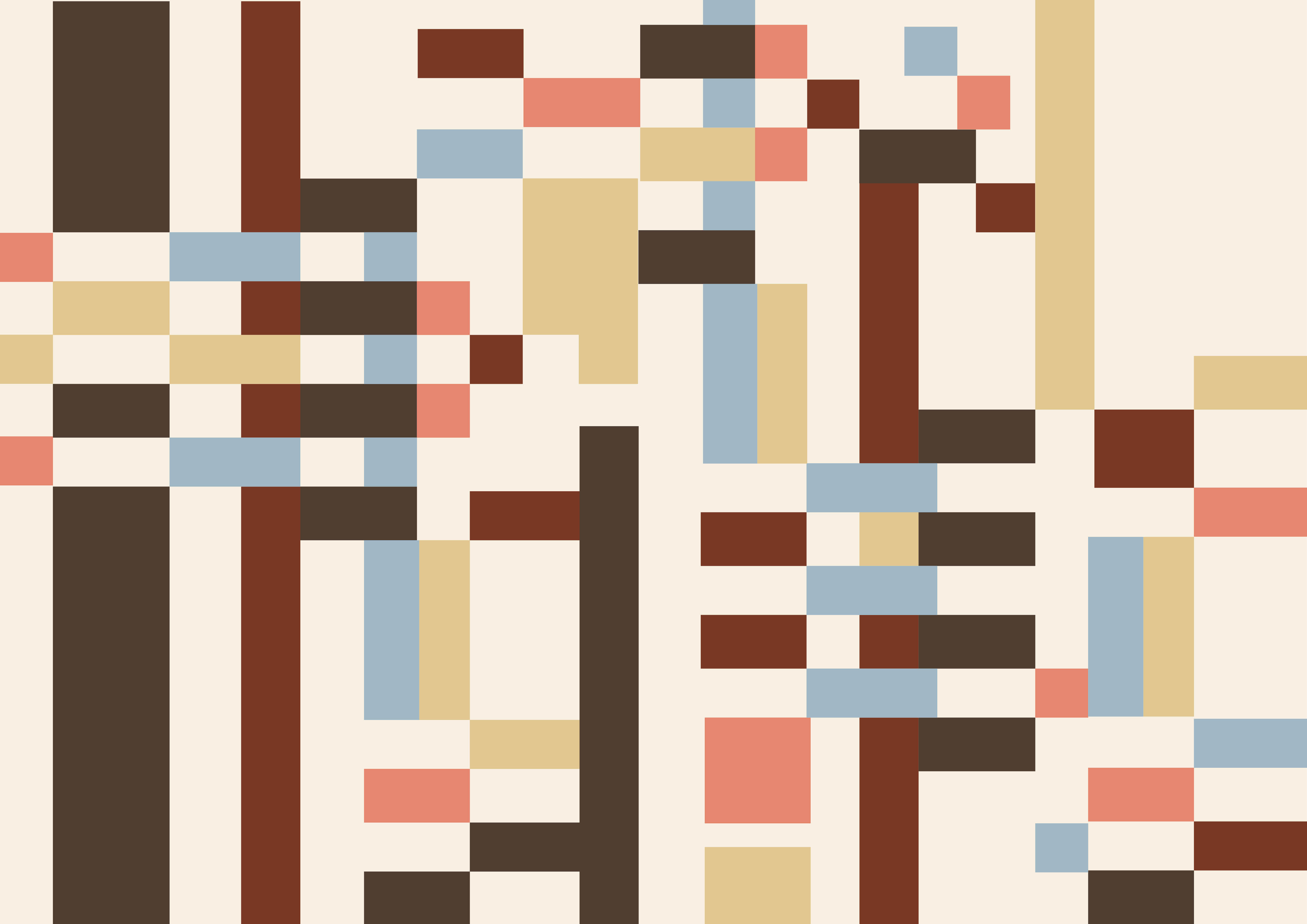
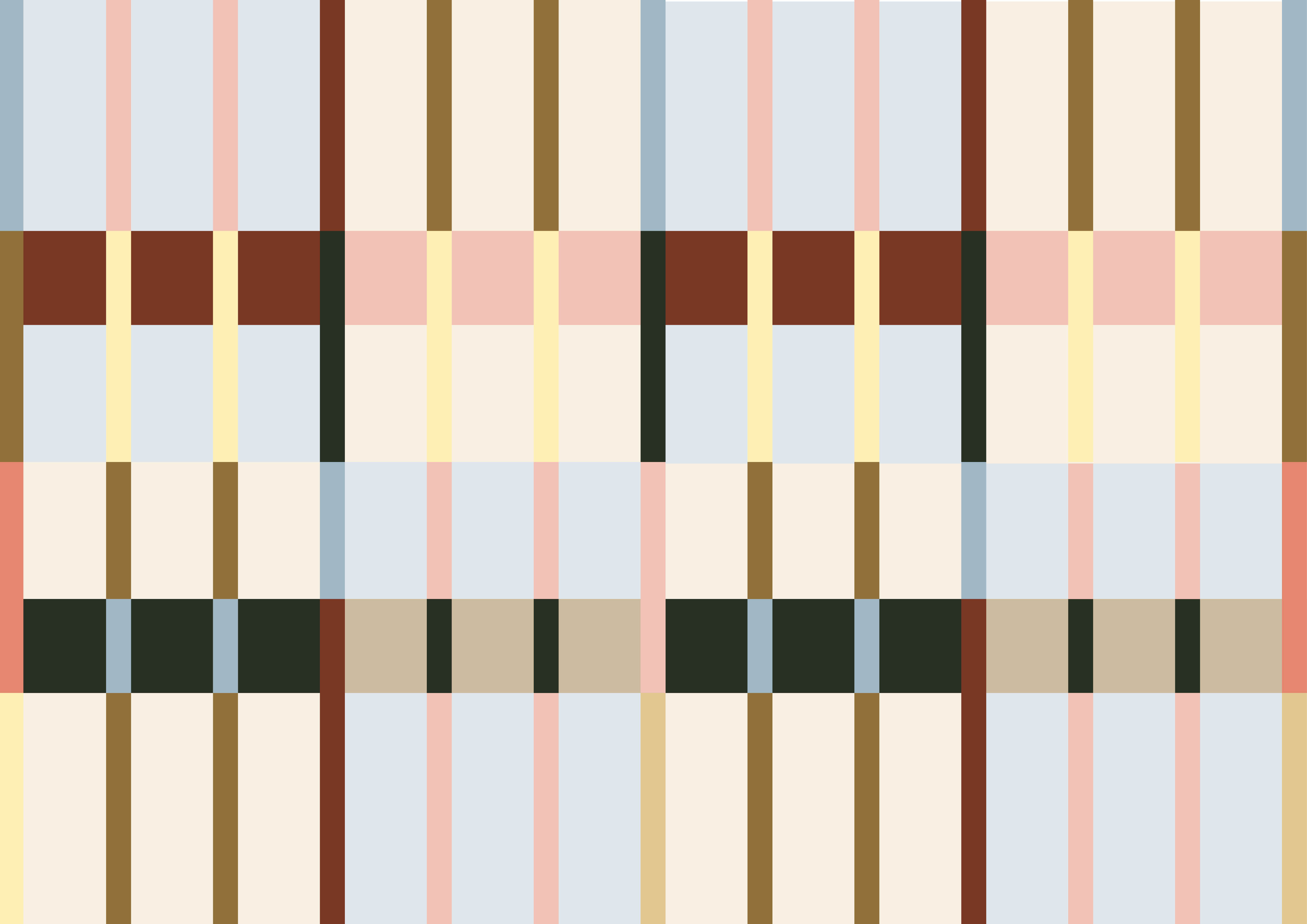
A suspended ceiling structure overhead will be threaded with custom-printed fabric ribbons by Fabric Bank, featuring designs based on sketches and diagrams of various architectural projects by Boogertman + Partners around the continent.
The fabric will be draped and looped to create an expressive canopy, bringing down the dimensions of the central area to a comfortable human scale and creating compelling effects with filtered light, permeability and a sense of gravity and tension.
“The printed patterns extend the metaphorical power of weaving and threading to the built and urban fabric of the continent, drawing a connection between the art and life of the fair and the spatial concepts that shape life across the continent,” says Boogertman + Partners Graphic Designer and Brand Specialist Gia Kleovoulou.

Du Plessis adds, “The invisible lines of human movement become the warp and weft of the social fabric of the fair. If the grid-like layout of the lounge forms a loom-like structure, the movement of people in or through the space becomes the thread, and their invisible paths weave a metaphorical social fabric from the life of the fair itself.”
“A soft, linen-inspired palette establishes a calm, neutral backdrop,” says Kleovoulou, who has also created a range of fabrics, soft furnishings and accessories using this palette and patterns inspired by the craft and patterns of weaving.
“The arrangement of objects is, however, intentionally simple and everything is unpretentious and robust so that visitors are not intimidated or hesitant to engage with the space,” says Pieterse-Fanner. “It is there to be sat on, leant against and enjoyed by everyone.” Thoughtful and observant details – such as providing backrests – make a notable difference to the comfort and usability of the space. Orienting the seating to face outward adds to the openness and accessibility of the lounge while still considering people’s sense of comfort and security.
The idea of connection extends to additional seating areas and pause spots around the fair, where cushions, fabric and soft furnishings will reference the lounge and extend the sense of hospitality it offers outward into the fair.
Functionally, however, the central aim of the lounge is to facilitate a rich, enjoyable and rewarding experience of the fair.
“While intriguing as an object in its own right, and effective as a spatial intervention, the lounge is ultimately designed to enhance visitors’ experience of the fair and enrich their appreciation of the art,” says Boogertman + Partners Senior Director Bob van Bebber. “People remain the reason we do what we do as architects. The right spatial strategy in an intervention like this is the invisible art that enables a better experience of the fair.”
Further Reading In Articles


African Artist Directory