
A legacy in thread: Marguerite Stephens on life and work in the studio
By Latitudes Online
-------------
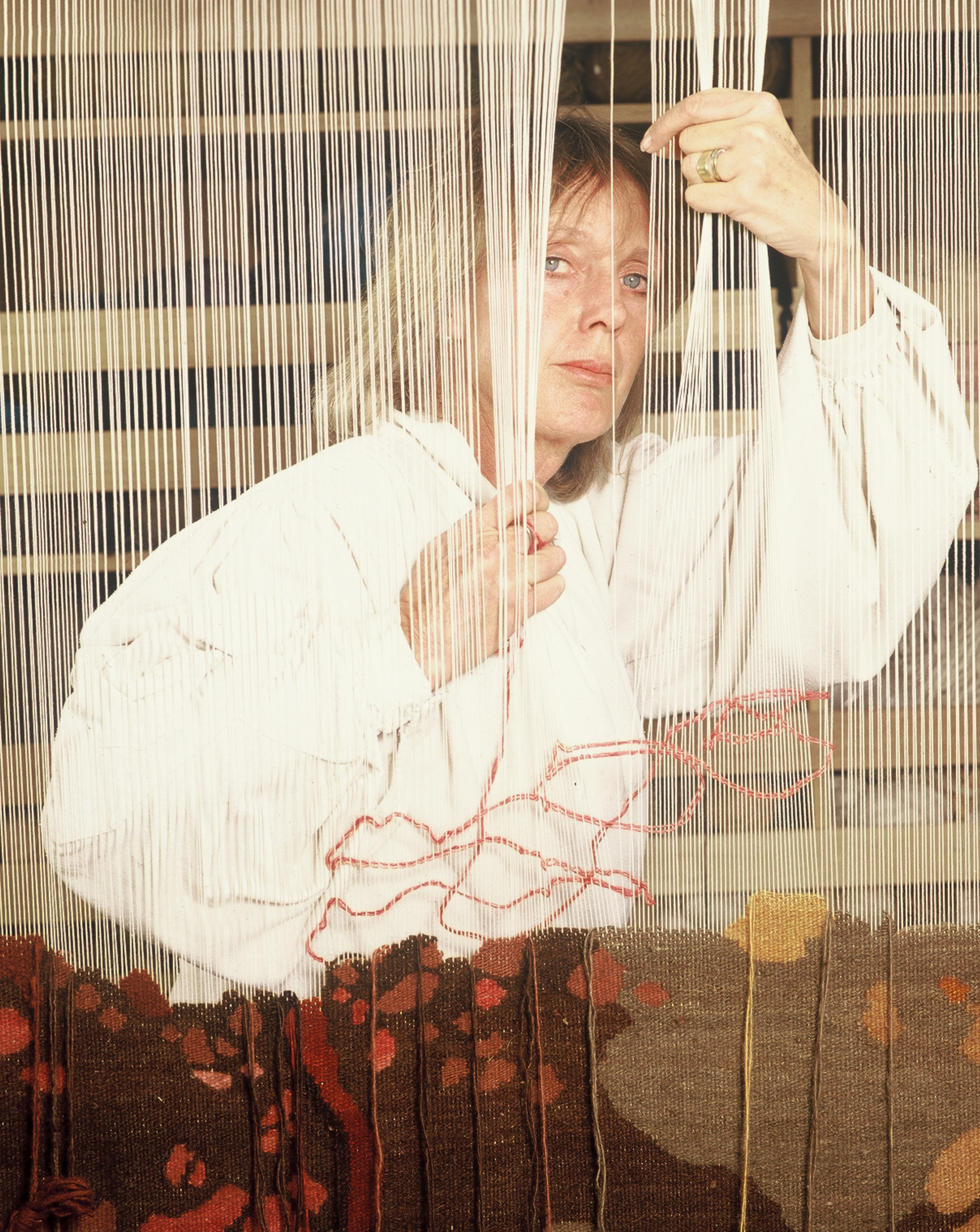
For more than six decades, Marguerite (Mags) Stephens has been quietly weaving the story of South African art - quite literally - using the medium of tapestry. Sitting in her Johannesburg studio with the soft hum of creation, Stephens recalls how her life’s work began not as a grand plan but as a natural inheritance.
“I grew up with the sound of flying shuttles making an awful noise in the backyard,” she laughs. “It was just part of life.”
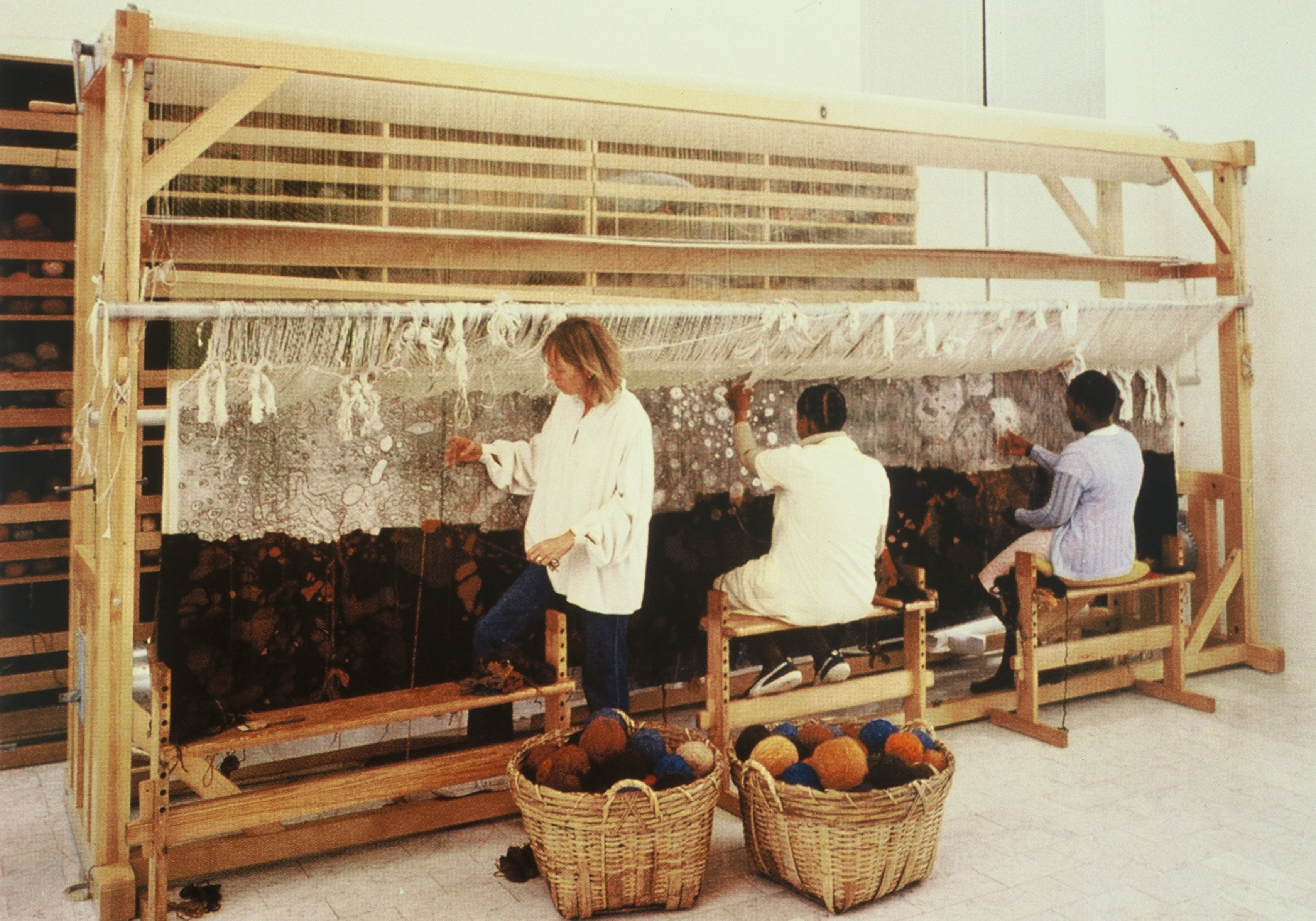
Born into a household of looms, Stephens’ mother established a weaving studio in Eswatini (then Swaziland) in the 1950s, employing local women and introducing spinning and dyeing to a region where such crafts were rare. “There was nothing like it in Swaziland then,” she recalls. “People were doing a bit of pottery, some glassmaking - and suddenly my mother was spinning wool, weaving carpets, and teaching women who were desperate for work.”
That legacy - women teaching women, hands learning from hands - remains central to Stephens Tapestry Studio today.
Translating the artist’s hand
The first tapestry artwork came about through a kind of maternal fate. Her mother pointed to a woodblock print by artist Cecil Skotnes and declared, “My daughter will weave it.”
Stephens was working as an occupational therapist at the time. “I came up for a holiday, and she’d already cannibalised a room, built a loom, and had everything set up,” she recalls. “So I wove my first tapestry.” That first piece - a translation of Skotnes’s woodblock - sold for 100 rand. “Fifty for me, fifty for him,” she grins. “Petrol was about 60c then, so that was plenty!”

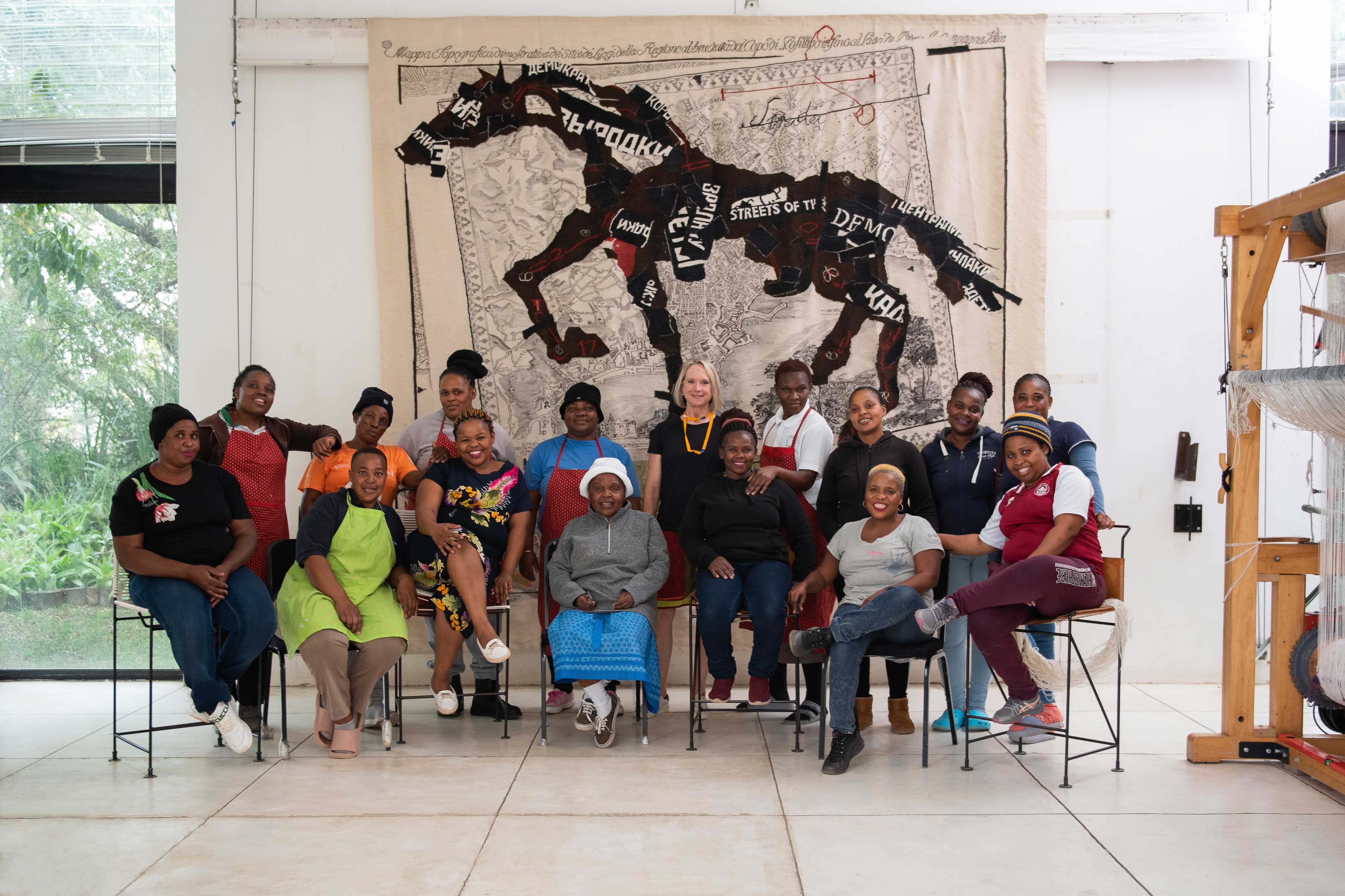
The Stephens Tapestry Studio is led by Director Christine (Tina) Weavind, daughter of founder Marguerite Stephens
Over the years, Stephens has worked with many of South Africa’s most important artists: Skotnes, Eduardo Villa, Judith Mason, Walter Battiss, Norman Catherine, Cecily Sash, Robert Hodgins, Sam Nhlengethwa and William Kentridge among them. Each collaboration is, as she puts it, “a translation into another language.”
“The artist doesn’t really know what they’re getting,” she explains. “They don’t know how it will change. But they trust you to translate their vision - and that’s a huge responsibility.” From Villa’s shadow-casting sculptures to Kentridge’s collaged compositions, Stephens’ task has always been to find the weave between image and texture. “No line is ever as true as the artist’s line,” she says. “That’s what makes tapestry its own thing. It’s tactile, imperfect - human.”


A studio of women, across generations
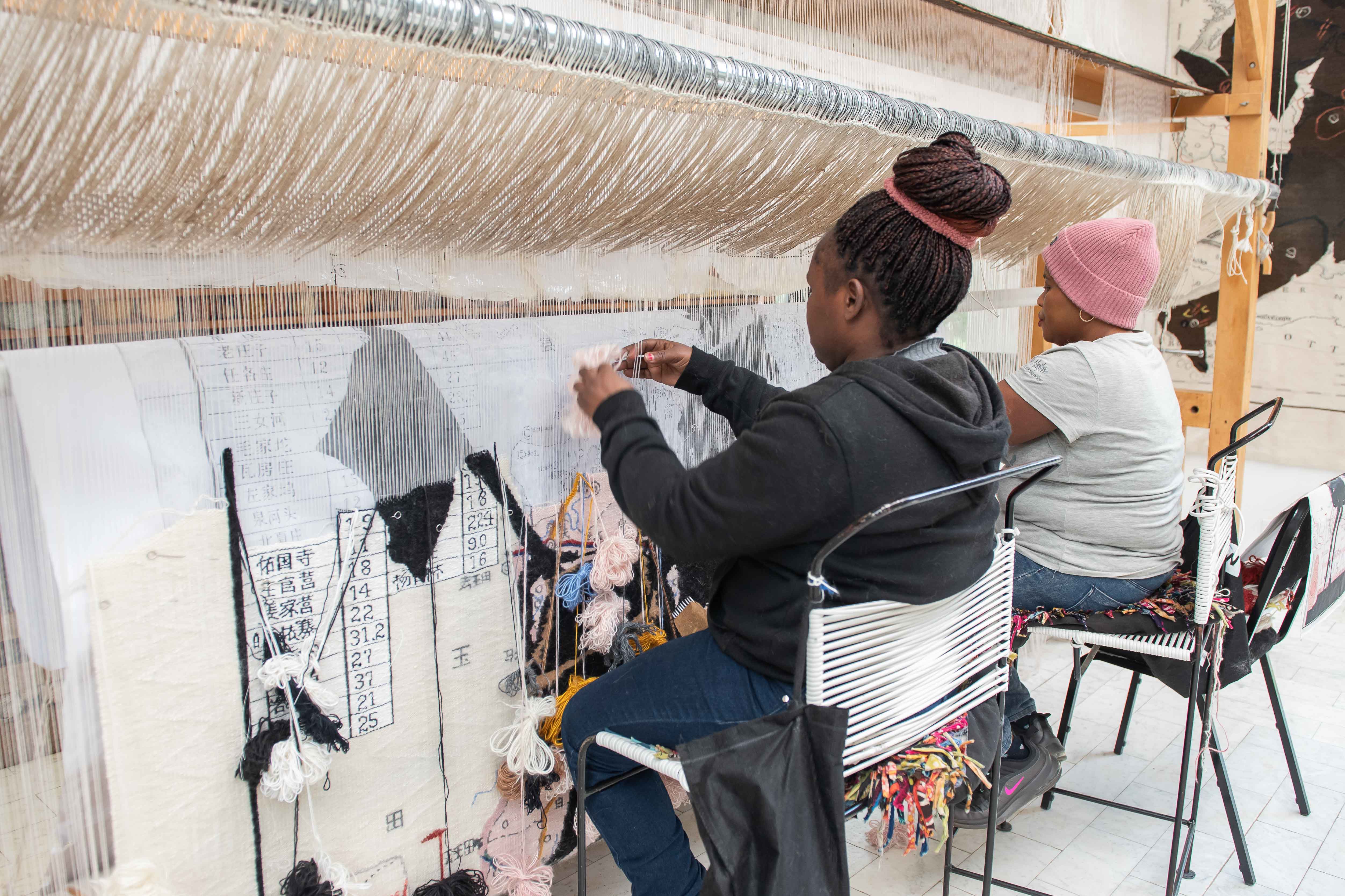
For Stephens, weaving has always been a collective act - most often, a collaboration among women. “It’s easier to work with women,” she says plainly, before smiling at the lineage that has grown within her studio.
Grace Zulu, who once worked for Stephens’ mother, later joined Mags in Johannesburg. Grace’s daughter Margaret Zulu, her granddaughter Fortunate, her niece Treasure and now her great-granddaughter Precious - the fourth generation - have all woven or are weavers at the Stephens Tapestry Studio.
That intergenerational thread runs through the Stephens family, too. Mags’ daughter, Tina Weavind, now leads the studio. “Letting go wasn’t hard,” she admits. “It’s inspiring to watch Tina take it in her own direction. I just get jealous sometimes,” she adds with a laugh.
A material of legacy
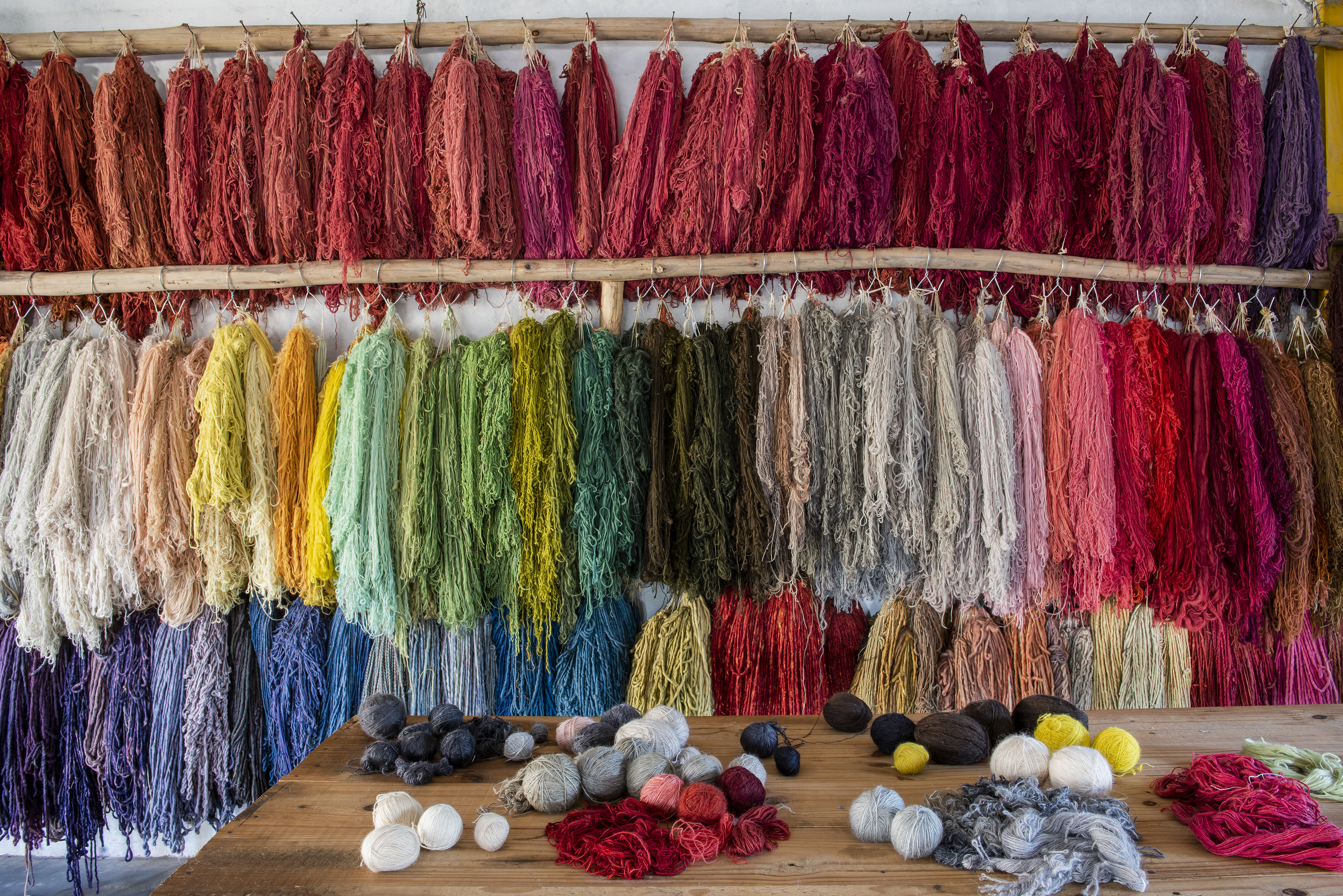
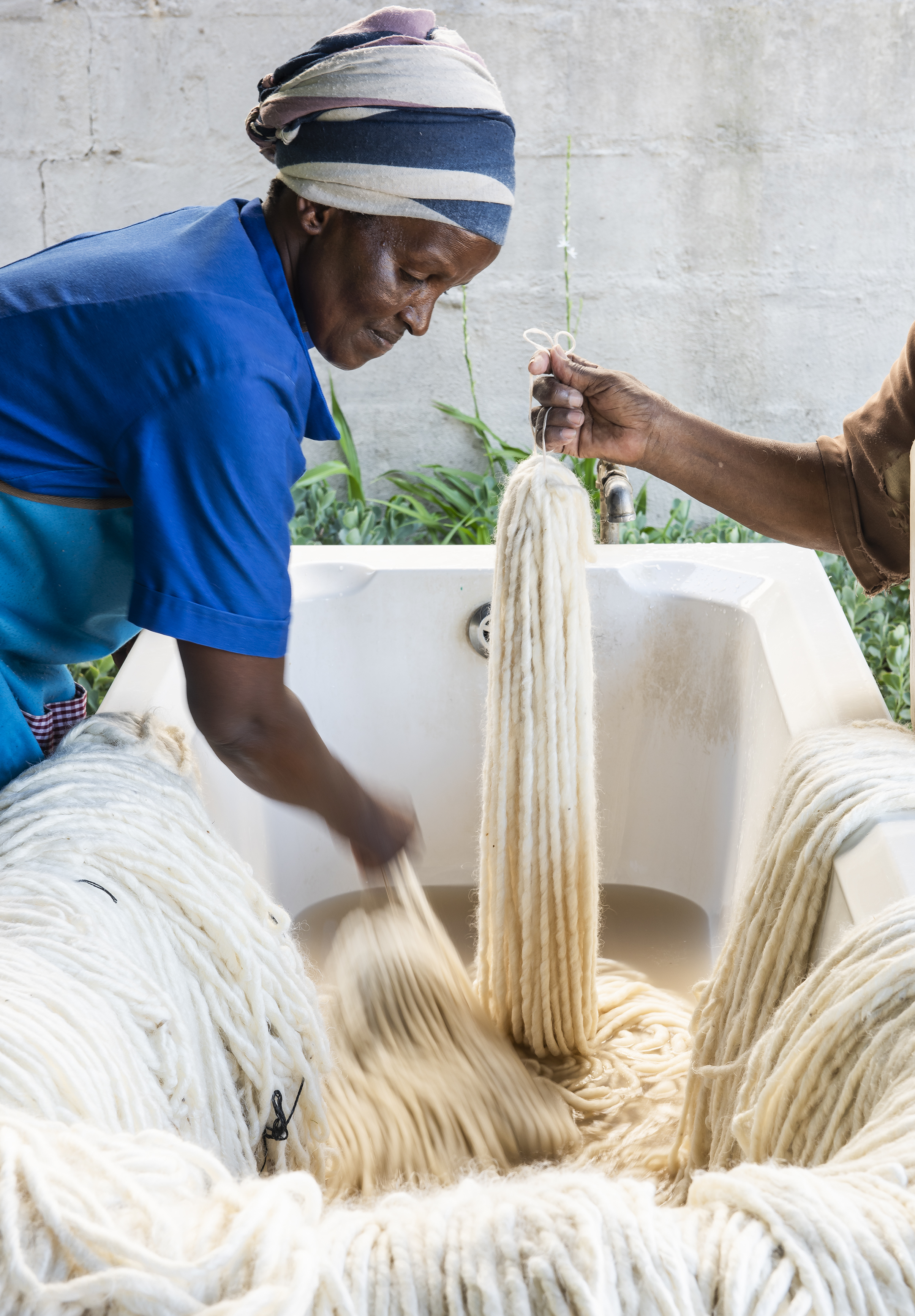
Behind every Stephens tapestry lies the shimmering strength of mohair - sourced from Angora goats in South Africa’s Eastern Cape. “We buy bales by the kilo,” Stephens says, “then send them up to Eswatini, where spinners are given bags of raw mohair to process from their rural homesteads. This works well since they don’t need to travel and which means they can manage their farms and look after their children while they earn.” Once spun, the mohair is washed and then dyed by hand and to achieve an endless spectrum of colour. “It lasts forever,” she says. “The warp will rot before the mohair does.”
On time and tenderness
In a world that glorifies speed, Stephens’ work exists in slow time. “You can’t rush tapestry,” she says. “It’s taught me that stress doesn’t help. You go one day at a time, and you just don’t give up.”
At ninety-one, she still visits the studio daily, watching the next generations carry the work forward. “It’s given me something to do all these years,” she says softly. “A reason to get up in the morning. And it’s been a fantastic journey.”
She pauses, then smiles - the kind of smile that holds both pride and humility. “Just don’t give up,” she says. “That’s my only advice.”


Further Reading In Articles


African Artist Directory