

A New Era of Digital Art Dealing
- By Mary Corrigall
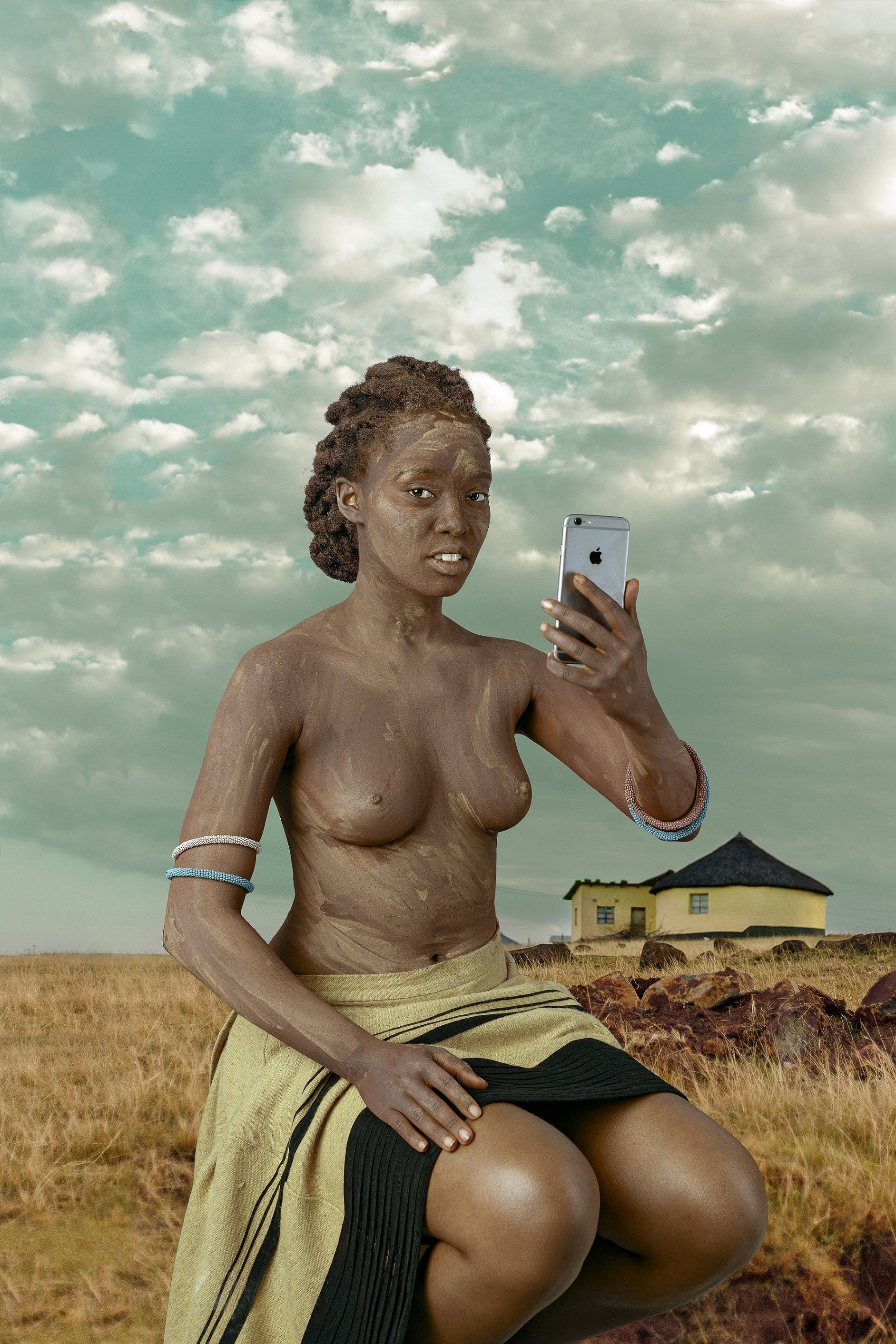
Tony Gum, Xhosa Woman, Intombi I, R79,000.00 ex. VAT, CONTACT TO BUY
------------------
The analogue art world faces mounting challenges – from rising rental costs for gallery and studio spaces to depreciating local currencies, which make participation in international art fairs increasingly expensive for South African art dealers. While digital solutions cannot entirely resolve these issues, the shift that accelerated during the Covid-19 pandemic looks less like a detour and more like a template for diversifying audience reach during economic downturns.
Digital technology had already woven its way into the art market before Covid-19, via third-party platforms such as Artsy and Instagram that connected collectors, artists, and dealers across borders. Yet many art professionals resisted adopting technology. This was rooted in the belief that making and experiencing art should happen primarily in person. However, art-market theorists Beatrix E. M. Habelsberger and Pawan V. Bhansing propose (in their 2021 article, Art Galleries in Transformation: Is COVID-19 Driving Digitisation?) that dealers also feared “losing their power in the valuation process of art and their role in the art market due to the democratic nature of the Internet.”
They also were concerned with the impact of eroding the personal interaction and engagement, which has been a fundamental part of art dealing, and how this would reduce art to a commodity like any other.
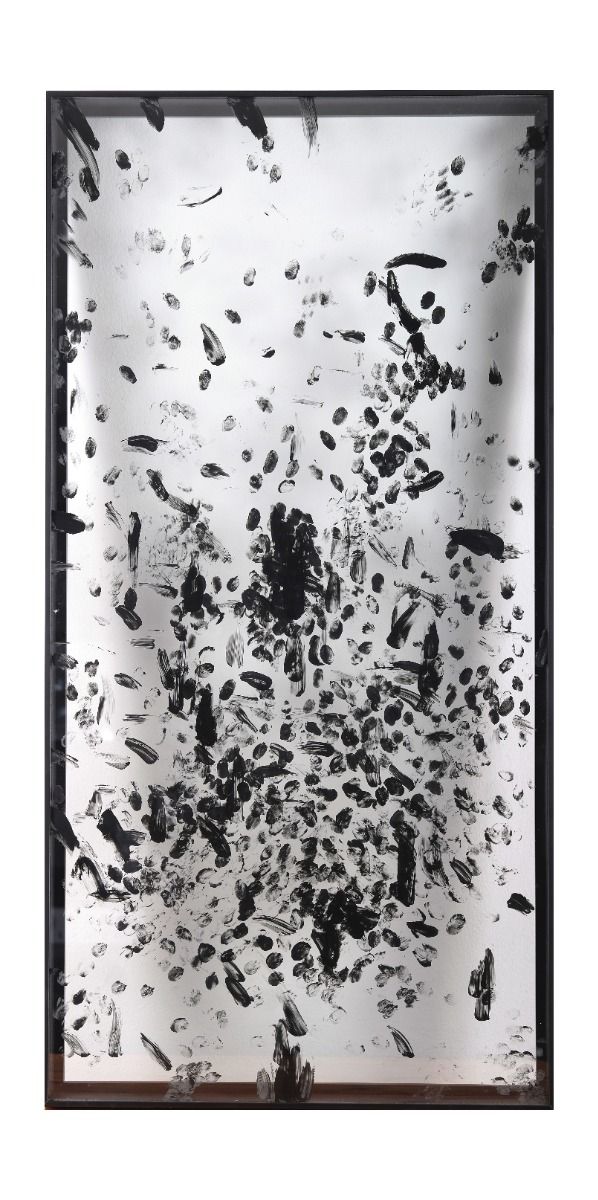
Chloë Shain, Phone language (haptic input) I, R15,000.00 ex. VAT, ENQUIRE
In the African art market, the digital turn proved especially beneficial. According to Corrigall & Co.’s study of art ecosystems in Africa’s most active art capitals (2019–2024), the migration of art fairs and events online during Covid-19 enabled a new generation of dealers in Nigeria, South Africa, and Morocco to establish themselves and build clients “without being burdened with the heavy overheads that bricks-and-mortar galleries would entail. The relaxing of criteria to participate in art fairs during this period enabled this to occur.”
In short, the digital shift propelled entrepreneurship across the visual arts — from artists leveraging social media to market their work and connect directly with curators and buyers, to a new younger generation of dealers and curators staging pop-up exhibitions, to hybrid entities such as Latitudes Online becoming integral to the South African art market. The Latitudes Online platform has grown in recent years due to its annual live event, the RMB Latitudes Art Fair and provides a good example of how digital and live interactions need to be combined to support artists and dealers.
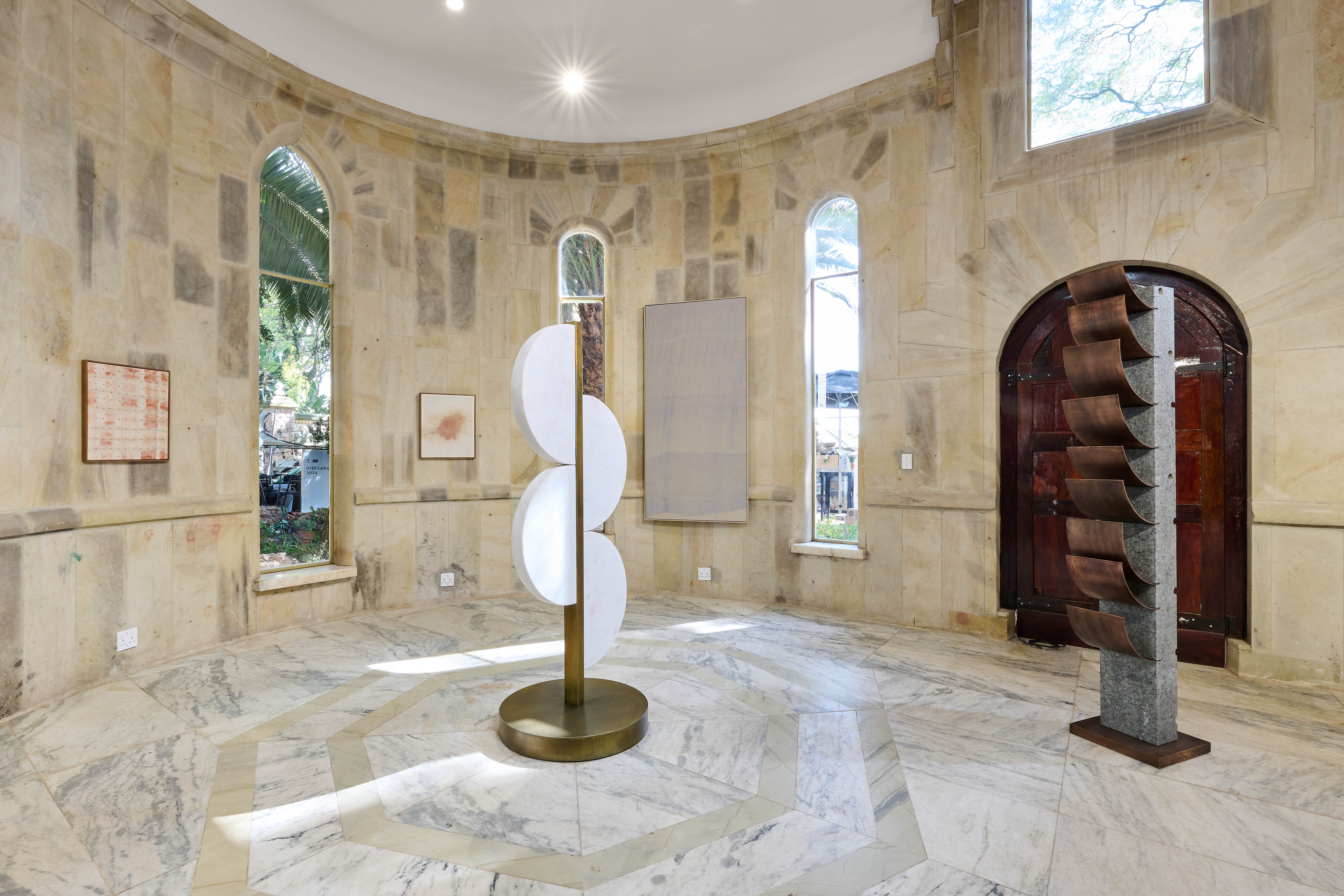 RMB Latitudes Art Fair, 2024, photo by Anthea Pokroy
Global art-market reports, which are dominated by data from the US, Europe, and China, confirm that in-person exhibitions and fairs remain essential, however, they do show that online interfaces continue to matter and are being integrated with analogue activities.
Websites Trump Social Media
Online sales account for roughly 22% of dealer revenue, yet gallery websites remain a more effective sales channel than social media, according to The Art Market 2025: An Art Basel & UBS Report. “The share of online sales to new buyers increased to 46%, from 35% in 2023,” the report notes.
This shift aligns with The Artsy Art Market Trends 2025 report, which found that 43% of surveyed galleries plan to focus more on online sales. Buying art online — once foreign to many collectors — has become normalised; nearly 60% of Artsy’s surveyed collectors reported purchasing art online.
While Artsy’s position as a third-party platform may skew toward online activity, South African dealers at all levels appear to be using their websites as active sales portals. Even when they lack full e-commerce checkouts, most gallery sites allow close, in-scale viewing and provide catalogue-style details, and some even include an “enquire” button for swift contact.
Has this led to more sales? The clearest benefit is expanded international reach.
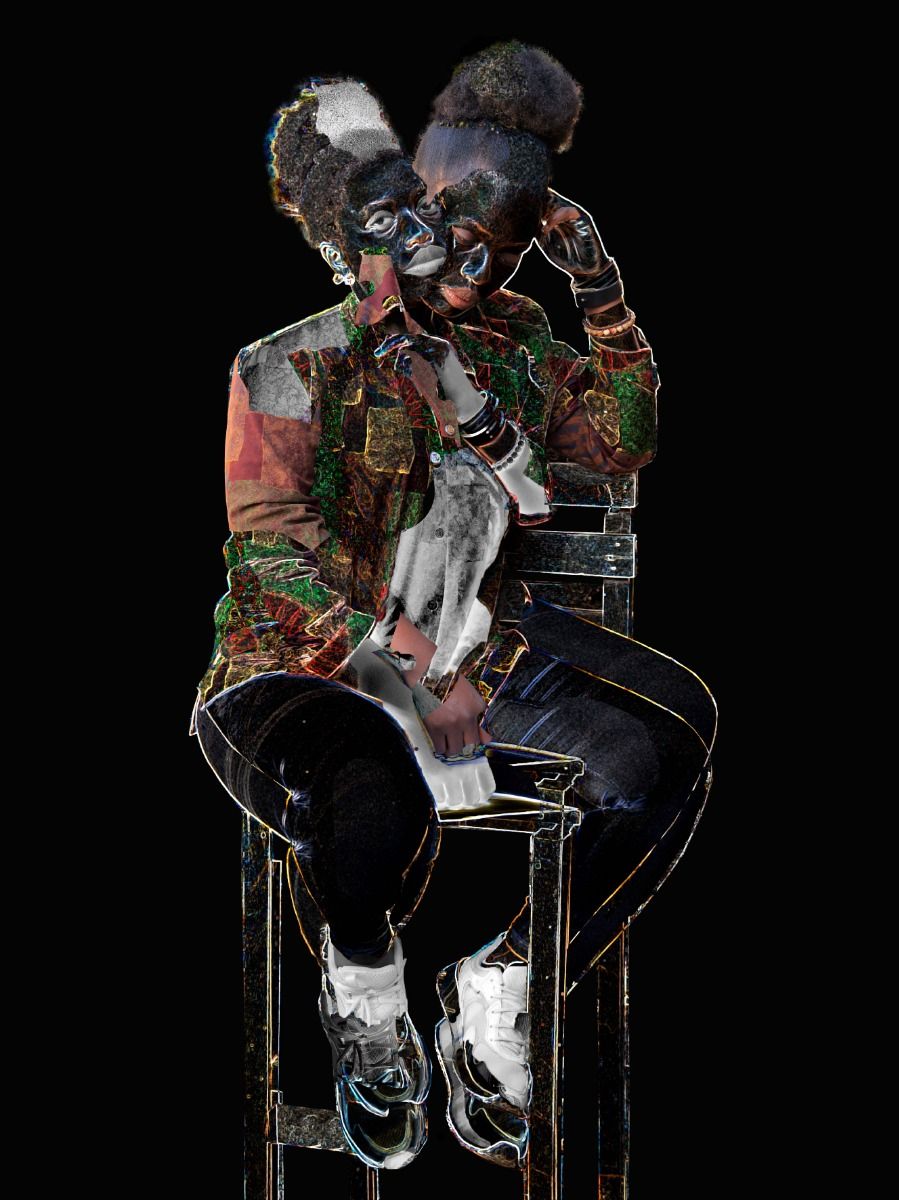
Ethel Aanyu, AIBELOKINI, R1,800.00 ex. VAT, CONTACT TO BUY
“Since COVID, digital marketing has shifted the parameters and gave collectors and galleries permission to do things remotely... we deal with a lot of international [clients] and people aren’t able to come to the gallery and see the shows or the artwork in person, and we do sell a lot of work through digital media,” says Emma Van der Merwe, director at Everard Read Gallery Cape Town.
According to the Artsy 2025 report, galleries are strengthening digital marketing amid a softer market: 70% cite economic uncertainty as their primary challenge, followed by “changing collector behaviour or lack of demand” (60%).
Instagram typically generates interest and enquiries rather than direct sales.
“I have an active Instagram account that I constantly update, and it’s quite dynamic in creating interest in work and marketing my exhibitions but it’s not used for sales purposes,” says the renowned painter Kate Gottgens.
Some independent artists do rely on Instagram for sales. Textile artist Turiya Magadlela, who remains independent, does not have a website and uses her Instagram account to connect with potential buyers. Mid-career artist Karin Preller also leverages social media for sales, though she recently participated in RMB Latitudes Art Fair to diversify her sales channels.
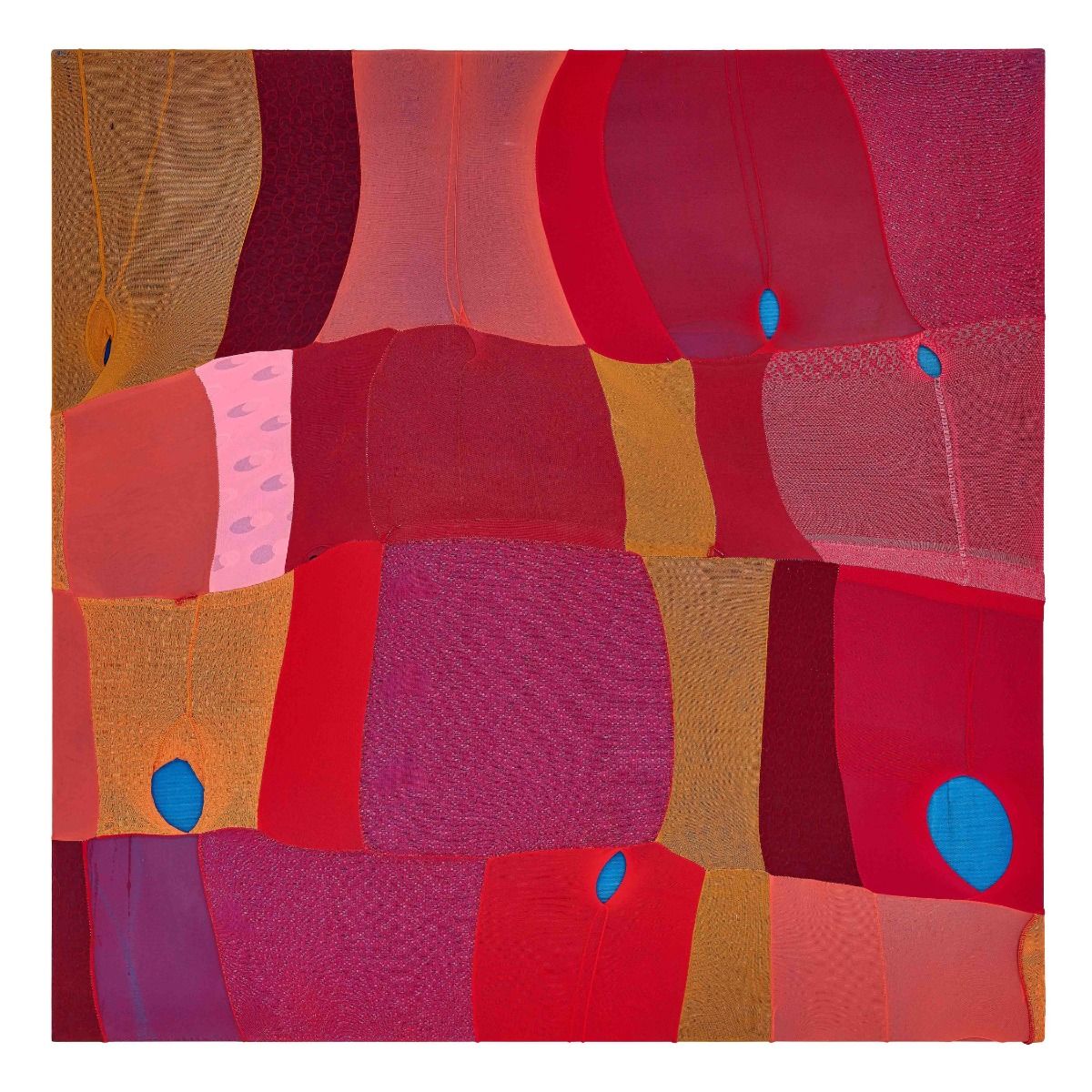 Turiya Magadlela, Tembeka Akukhontombi engiyithandayo II, R1,800.00 ex. VAT, CONTACT TO BUY
The Digital Divide
Building compelling gallery websites requires more than a static catalogue: audiences expect substantive reading material (downloadable PDFs) and video content – often artists speaking about their work.
Only the first-tier South African galleries (Goodman and Stevenson) routinely produce such assets because of the cost but perhaps also due to their focus on international collectors. Resources, skills, and digital fluency are prerequisites for comprehensive online strategies, and few galleries can afford a dedicated, qualified digital team. This aligns with the Art Basel & UBS report finding that larger galleries make a higher proportion of online sales than smaller ones.
Strauss & Co, South Africa’s largest auction house, provides a good example of how technology can sustain sales in slower cycles. A comparison of 2019 and 2024 activity indicates the pandemic catalysed online growth: five online auctions in 2019 expanded to 22 by 2024, driving online revenue up by more than 200% and lifting average sell-through rates by about 10%. Despite this growth, online revenue still trails live auctions (which also include online bidding), largely because higher-value works are typically consigned to live sales, while lower-priced or more niche items are directed online.
Online Auctions Cater to Niche Interests
The online format has enabled Strauss & Co to stage niche sales - ceramics, single-artist focuses, and region-specific auctions (e.g., art produced in KwaZulu-Natal). These sales might be small and bring in substantially less revenue than live ones, but collectively they bolster results amid softer live-auction revenue. An analysis of 2019 vs 2024 indicates live-auction revenue declined by about 12% despite more lots offered. In effect, frequent, lower-cost online sales featuring more accessibly priced works have helped offset a market downturn.
“We are very proudly a technology-driven auction house, and our technology department plays a crucial role in keeping us ahead of the curve. We closely analyse audience behaviour, sales trends, and the effectiveness of our marketing strategies... It is not just about embracing digital tools but using them intelligently,” says Strauss & Co director Bina Genovese.
Importantly, despite increased development in online portals, in-person events, interactions and relationships remain vital. Viewing art at auction previews, art fairs or exhibition opening nights with a glass of bubbles in hand among like-minded people keeps this industry turning.
Corrigall is a Cape Town-based art consultant and director of the HEAT Winter Arts Festival.
Further Reading In Articles


African Artist Directory