

"Aku 'ndhlela engayi ekhaya"
presented by Phumelele Kunene
"Aku 'ndhlela engayi ekhaya"
Meaning: There is no road which does not lead home
______
Photography in this exhibition operates as a language that speaks to both memory-keeping and future-imagining. Memory represents the past and history, while the future embodies the promise of freedom. Memory, inseparable from freedom, is not mere nostalgia; it becomes a strategy for survival and transformation. Amartya Sen, an economist and philosopher, argues that freedom is not just about rights, but about real opportunities and capabilities to live the life one values. Similarly, Max Weber’s concept of life chances reminds us that our opportunities and even our sense of possibility are deeply shaped by the conditions we inherit: our homes, our histories, and the social structures that frame our lives.
This exhibition explores fragments of home, the spaces and conditions that shape us, through the intertwined themes of memory, freedom, and identity. Home here is not confined to walls; it is emotional, mental, and spiritual. It is a place that shapes and mirrors who we are, even when fractured by inequality and displacement. The participating artists engage with elements of home, mapping its complexities through personal narratives, cultural inheritances, and contested histories. Their works confront the contradictions of belonging and marginalisation while affirming resilience, creativity, and cultural survival.
Here, photography becomes an act of resistance and imagination, turning historical weight into raw material for new possibilities. What was once meant to diminish becomes, through these images, a source of strength and beauty. Photography here is alchemized, not as a fixed image, but as a process. These works move beyond the point-and-shoot gesture, treating the photograph as material to be transformed. Through layering, experimentation, and hybrid techniques, each piece becomes a living object, assembled, altered, and reimagined—reflecting the complexity of memory and the multiplicity of identity.
This exhibition unfolds as a living archive, a site of witnessing and questioning. It invites viewers to slow down, reflect, and see photography as both evidence and imagination, a bridge between the real and the remembered. It challenges dominant narratives and positions people not as passive subjects of history but as active agents shaping its future. Photography here is not only a record—it is an act of claiming space, of declaring: This is who we are, and this is the life we value.
_______
Banner Artwork Details: Simphiwe Fuwe Molefe, Ditsojane tsa ha Moloi, 2023, 42 x 59.4 cm, Photographic print on Ilford Textured Silk paper, R16 250 ex. VAT, unframed, CONTACT TO BUY.
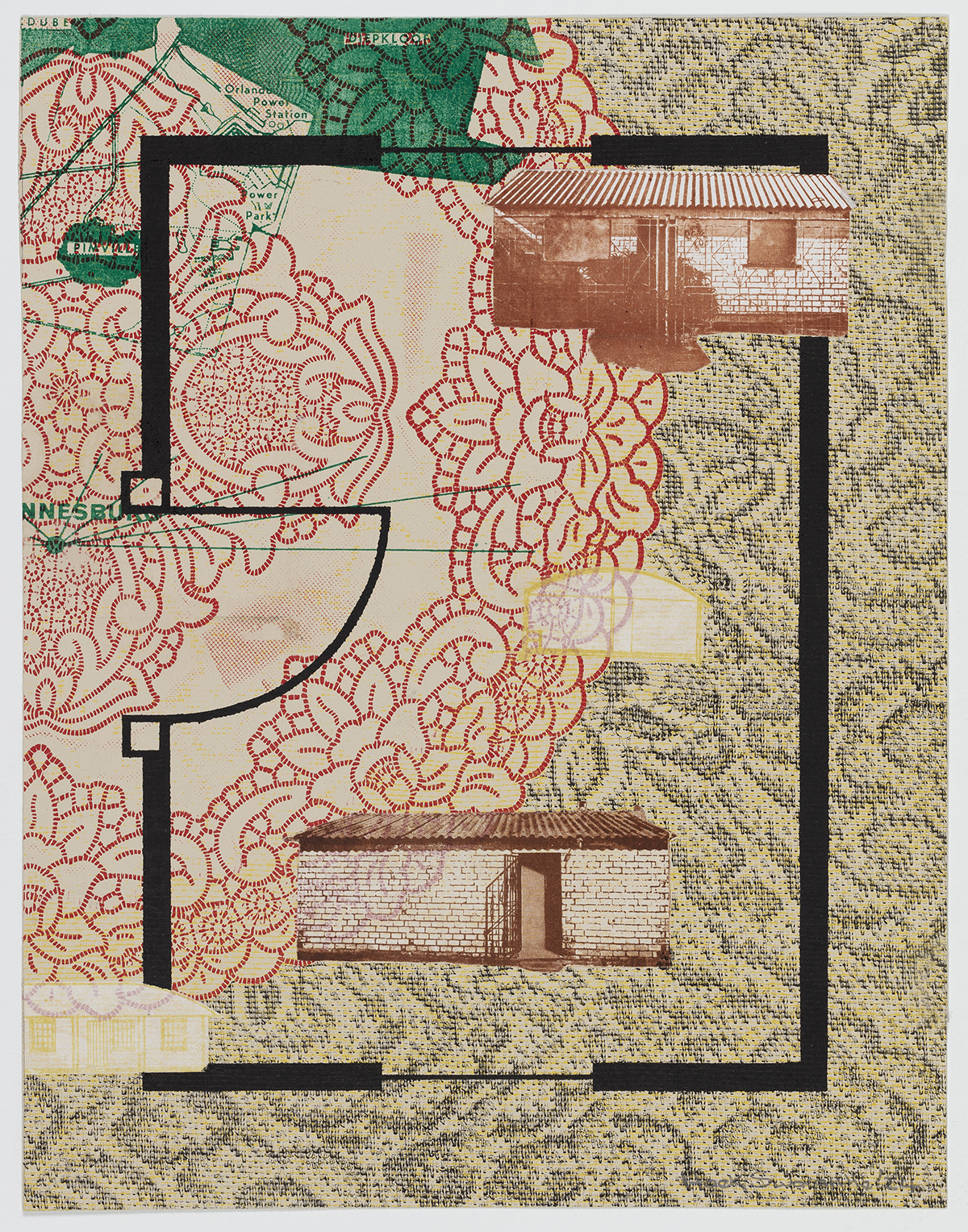
Hoek Swaratlhe, Kamera, 2024, 39.8 x 30.7 cm, Monotype with printed doily and pronto lithography with collage on fabriano paper, R9 566 ex. VAT, unframed.


EXHIBITION CURATOR, PHUMELELE KUNENE
Phumelele Kunene is a South African curator and creative entrepreneur. With a background in photography, film, and television production, her practice bridges art, culture, and social commentary. She draws from her experience as a visual storyteller to create thought-provoking exhibitions that amplify diverse narratives and interrogate the intersections of identity, memory, and belonging within African contexts.
Her curatorial practice is driven by a commitment to creating exhibitions that not only raise awareness but also serve as powerful commentaries on pressing social issues. At the core of her approach lies a deep interest in identity, self-knowledge, and the search for purpose within our shared human experience. Through her work, Phumelele seeks to go beyond aesthetics—to move the soul, challenge perception, and invite audiences to see the world from a renewed perspective. Each exhibition is crafted to leave a lasting impression that resonates long after the viewing experience, inspiring reflection and transformation.
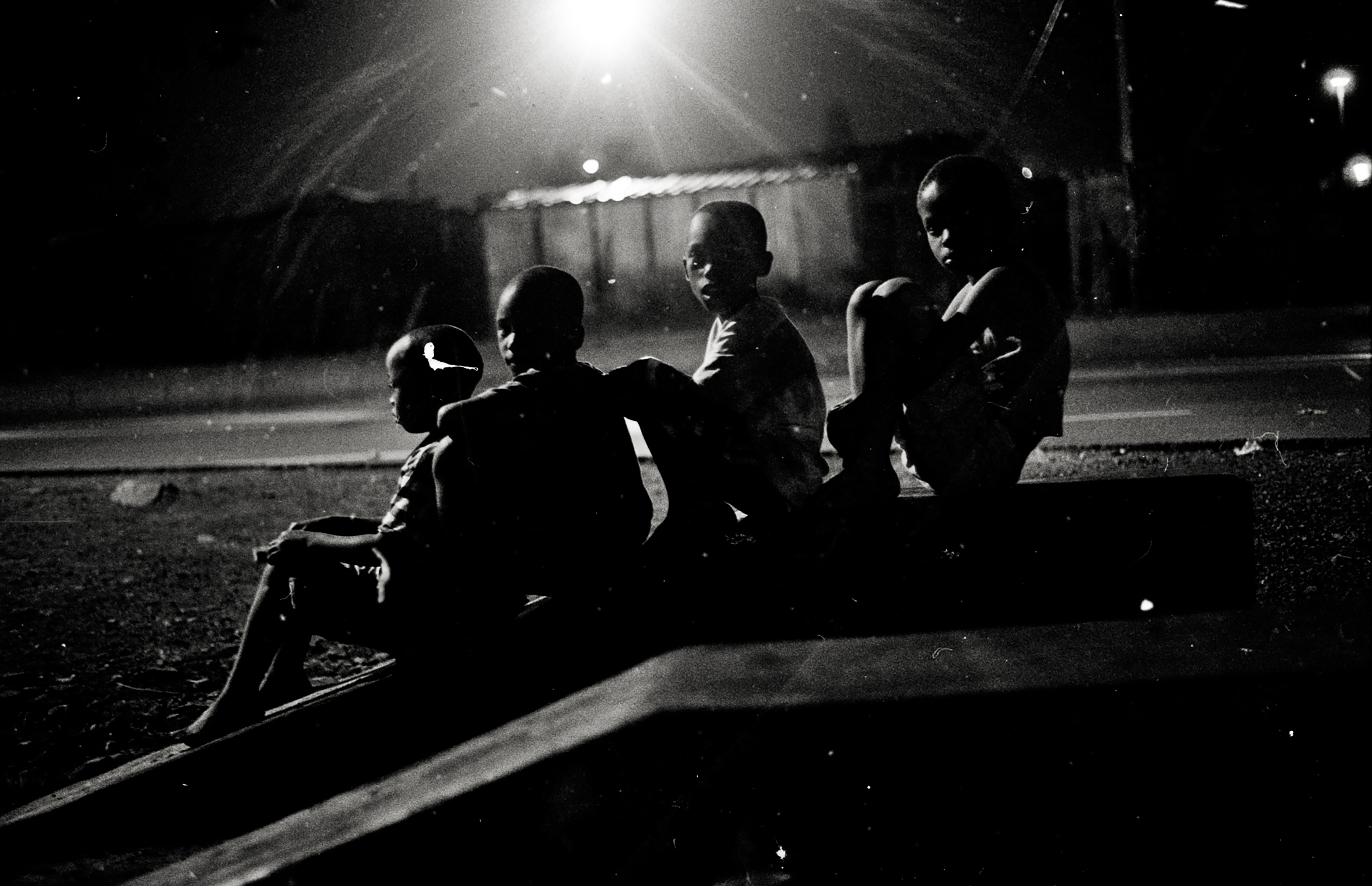
Tshepiso Mazibuko, Untitled, Thokoza, 2016, 40 x 60 cm, Photographic print on Archival Matte paper, R31 250 ex. VAT, unframed.
Through photography, material interventions, and assemblage, these artists interrogate how the residues of systemic structures shape present realities, while foregrounding acts of resilience and imagination. Their works move between personal and collective histories, exploring what it means to belong. From confronting inherited legacies to celebrating cultural intersections, the exhibition challenges fixed narratives and reimagines the architecture of identity.


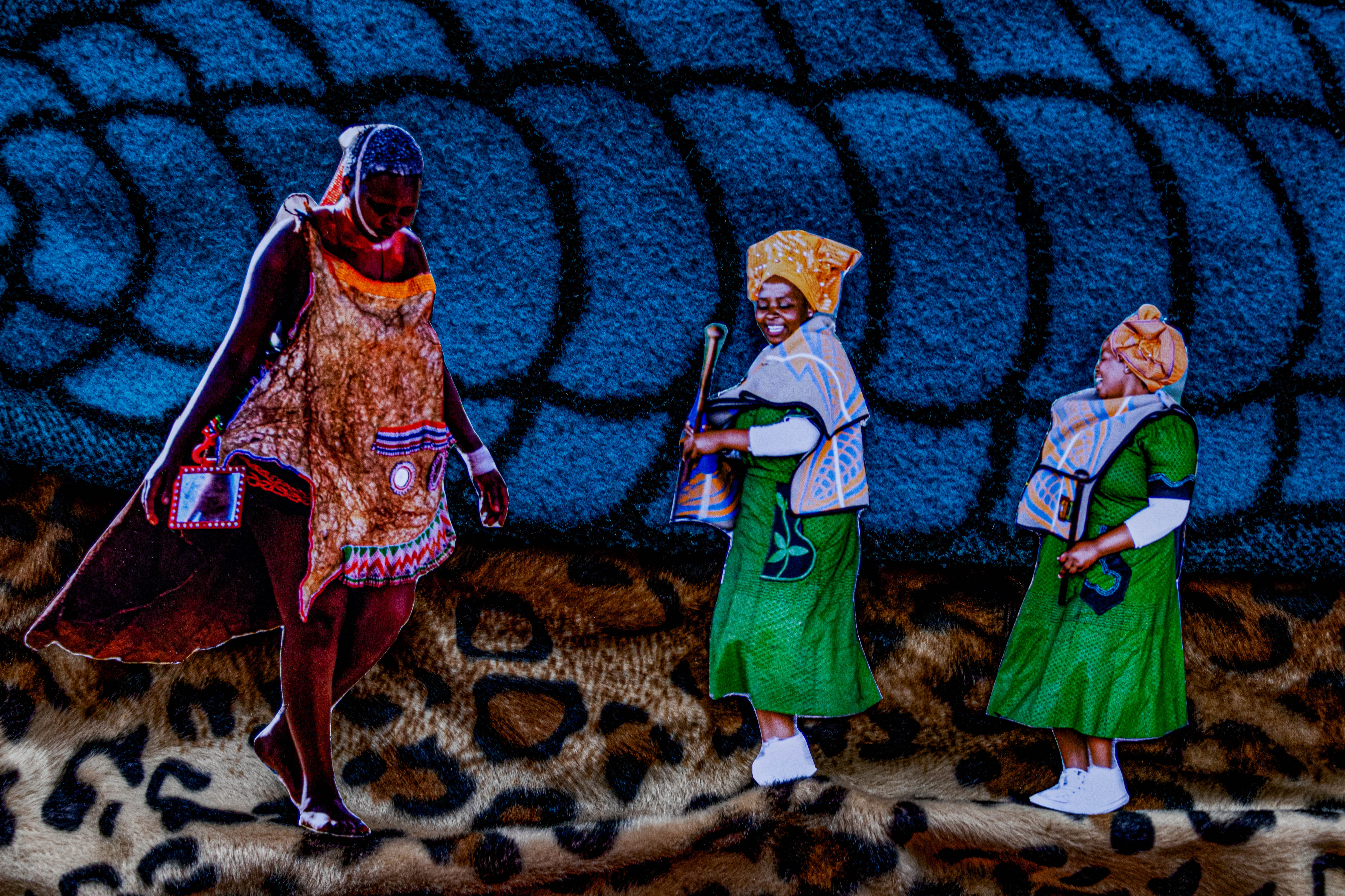
Simphiwe Fuwe Molefe, Bomme barona, 2024, 42 x 59.4 cm, Photographic print on Ilford Textured Silk paper, R16 250 ex. VAT, unframed.
Together, these practices create an ecosystem of stories: Tshepiso’s exploration of systemic memory resonates with Hoek’s transformations of the photographic surface, while Fuwe’s collaged celebrations of cultural intersections introduce a counterpoint of unity and belonging. Across these intersections, the exhibition constructs a collective language of resistance, imagination, and renewal.
Together, these works create a space where inherited constraints collide with imagined freedoms. They share a common urgency: to disrupt forgetting, to reframe identity, and to insist on liberation through the act of remembrance.
To enquire about any of the artworks in this exhibition
Latitudes CuratorLab is proudly presented by Rand Merchant Bank.

In partnership with Art School Africa.

Further Reading In Articles


African Artist Directory