

What’s driving the democratisation of our art market?
- By Mary Corrigall
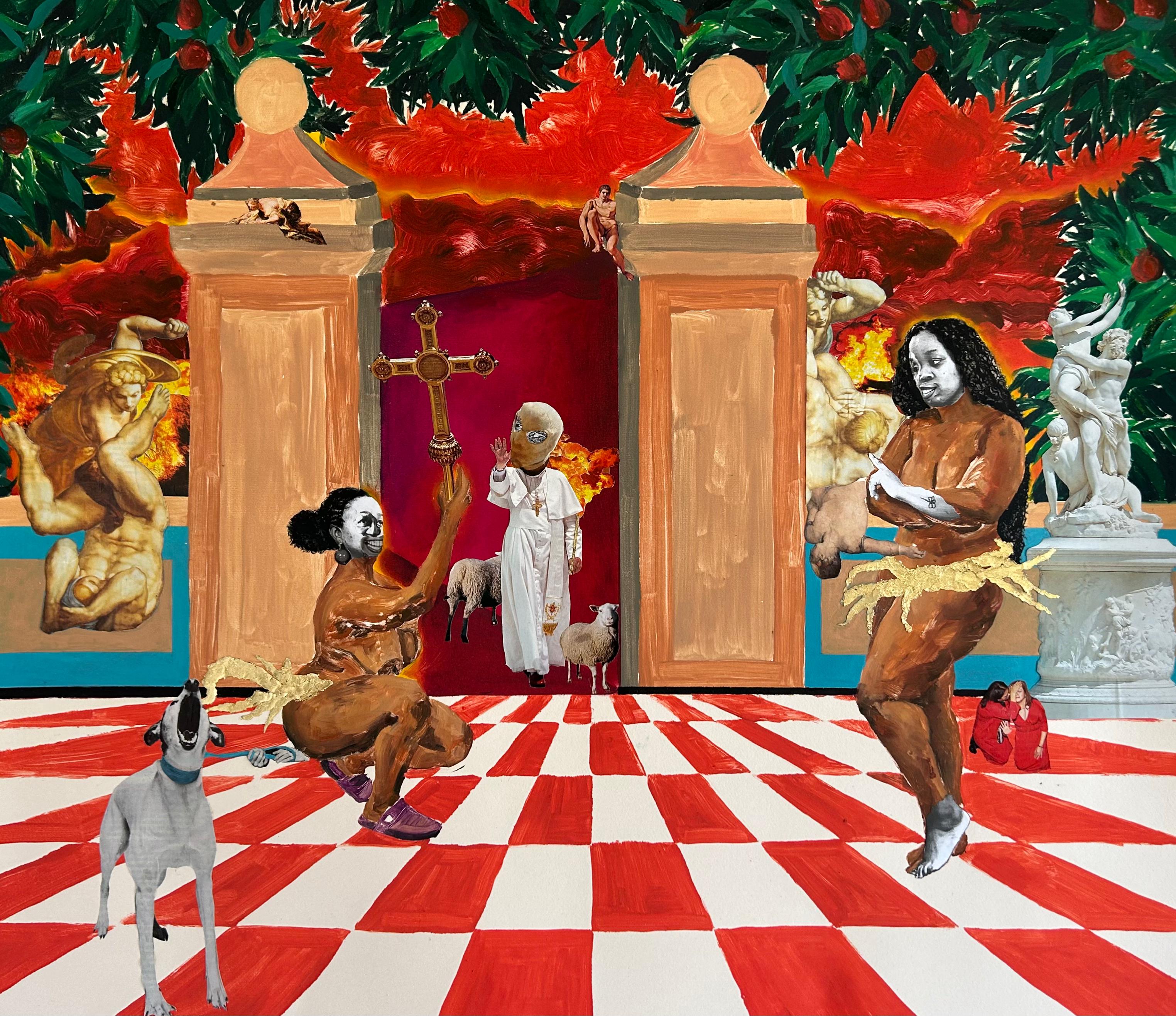 Kea Seema, Until Now The Kingdom Of Heaven Suffereth Violence, 2025, R26,000.00 ex. VAT, CONTACT TO BUY
---------------
The accessibility of art has been a perennial topic of discussion in art circles. While art galleries and museums are theoretically open to all, social, economic, educational, cultural, class, and racial barriers often complicate access in practice.
Museums, galleries, and art fairs tend to measure success by visitor numbers and sales, prompting a focus on making art accessible to wider audiences. Once limited to the wealthy elite, viewing and buying art has become a common activity among the middle class.
The proliferation of art fairs, sponsorship, social media and online platforms, the increase in more affordable art, as well as the rise of artists making art that speaks to the interests of South Africa’s rising classes have all contributed to this shift. However, further efforts are needed to grow the number of collectors required to support South Africa’s continuously expanding art ecosystem.
Social Media empowers artists and collectors
Social media has disrupted the traditional art world, reducing the role of gallerists as gatekeepers. Artists who use social media can display and sell their work directly to collectors, broadening access and bypassing galleries. This shift has made it easier for artists and collectors to connect globally, with many South African artists selling to buyers outside the country.
“A lot of really good artists don't [have galleries],” observes Barbara Wildenboer, who is represented by the Everard Read gallery.
Karin Preller, an independent artist based in Joburg, confirms: “Social media sites have been essential, both in terms of reception and sales.”
The recent UBS/Art Basel Collector Report 2025 found this trend to be deepening, showing a significant increase in High Net Worth Individuals (HNWI) (63%) buying directly from artists – up from 23% in 2023. Conversely, 71% buy from dealers, down from 91% in 2023. In the same report a pie chart demonstrating HNWI expenditure percentage showed 27% was attributed to dealers, with 20% to artists.
As such, social media has played a significant role in democratising the art market. However, this development has also distorted perceptions of the market and has presented difficulties for independent artists and local collectors. As the artworks with the most likes on Instagram are likely to go viral, often it is brightly coloured work that pops on a small digital screen that is ‘the most prized’, which has led to an increase of vacuous viral art that is often disappointing when viewed in person.
Many independent South African artists who survive on sales via Instagram to collectors elsewhere in the world rarely exhibit locally or are able to stage conventional exhibitions which enable them to develop their practice. Their work is often unaffordable for local collectors, as international buyers with stronger currencies drive up prices.
Art Fairs: where art and socialising collide
Corrigall & Co's analysis, as detailed in 2017’s Contemporary African Art Ecologies, found that commercial art spaces in South Africa increased sharply after the Joburg Art Fair began in 2008. Cape Town’s market has also expanded since an art fair was established in that city in 2012, likely aided by the city’s tourism.
Many people who visit art fairs have not previously visited galleries. These events offer newcomers an easy introduction to the art world, allowing them to explore top galleries in the host city and discover artworks from other regions of Africa and beyond. In short, art fairs exude a sense of creative abundance, which draws visitors and activates buyer interest.
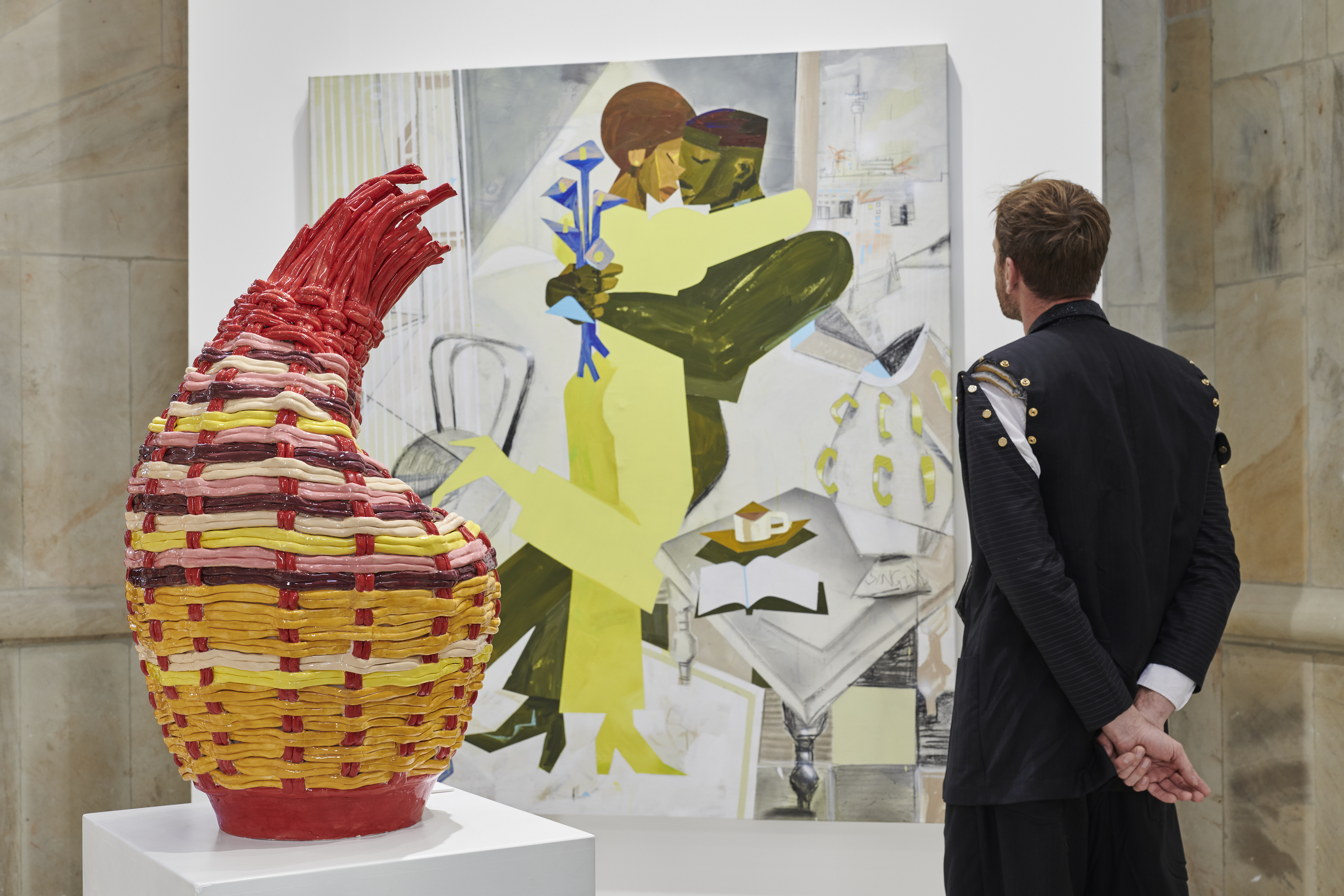
RMB Latitudes Art Fair 2025, photo by Anthea Pokroy
When leading financial institutions assume title sponsorship of art fairs, it reinforces the perception of art as a recognised asset class. This involvement invites their VIP clients and other customers into the art world, which may have previously seemed exclusive to the creative community.
Art fairs serve as social gatherings beyond just their opening nights—people from all walks of life mix and mingle throughout the entire event. RMB Latitudes, for instance, demonstrates how a well-chosen venue with bars, lounges, balconies, and garden tables encourages guests to connect and converse between enjoying the art on display.
Though there are VIP openings and events that retain the sense of elitism that makes the art world attractive to the wealthy, ultimately art fairs have democratised art viewing and buying. At most fairs there are a range of galleries representing artists at different levels, from the internationally recognised to newcomers, offering works at different price points. It is possible to leave an art fair with an artwork – likely to be an editioned work on paper – for under R5K, though that budget is limiting.
Art fairs have democratised the art market itself; the expansion of South Africa’s commercial scene is directly linked to the proliferation of art fairs around the world, which some of our local galleries participate in, allowing them to reach more buyers with different tastes. This has upturned a Western-centric conception of contemporary art and created greater visibility for African artists.
However, the high costs of showing at international fairs have seen a decrease in local participation – the latest Corrigall & Co report, African Art Ecosystems 2024, showed that only 22% of SA galleries participate in fairs beyond our borders. This has led to some galleries pooling their resources and sharing a booth at an international fair.
Outside of RMB Latitudes Fair, independent artists are typically unable to secure booths – as the model has traditionally depended on galleries doing so. Non-profits, collectives and other types of visual arts organisations also struggle to gain access if they don’t have the financial resources to do so.
“The increasing numbers of art fairs globally, the influence of social media, sponsorship, greater affordability, the growing frequency and visibility of auctions, and the digitalisation of art trading have all contributed to making art more accessible,” observes Bina Genovese, director at Strauss & Co, the dominant auction house.
Virtual paddles lower barriers
The popularity of online auctions, which Covid-19 ushered in, eroding the stigma surrounding buying art online, has democratised the secondary market in a number of ways. Online auctions and online bidding have removed a barrier for potential art collectors who may have felt intimated holding a real-life paddle and brave making a bid in a room full of moneyed people. Young people in particular have been drawn to online auctions, according to Genovese and international art reports.
As referenced previously in this series, the Artnet Intelligence 2024 report found that Millennials and Gen Zers accounted for a quarter to a third of bidders and buyers at the two major auction houses in 2024, more than doubling their share in five years.
The UBS/Art Basel Collector Report 2025, released in October, however, showed that spending at auctions by HNWI fell, however, Millennials and Boomers seemed to have the highest preference for buying at auction (it didn’t specify whether it was online).
Strauss's local online auctions, which feature lower-valued works than their larger in-person events, have made the secondary art market more accessible. Since Covid-19 and the rise of charity auctions, these online sales now often include pieces by emerging artists, giving them public records and helping establish their art's value.
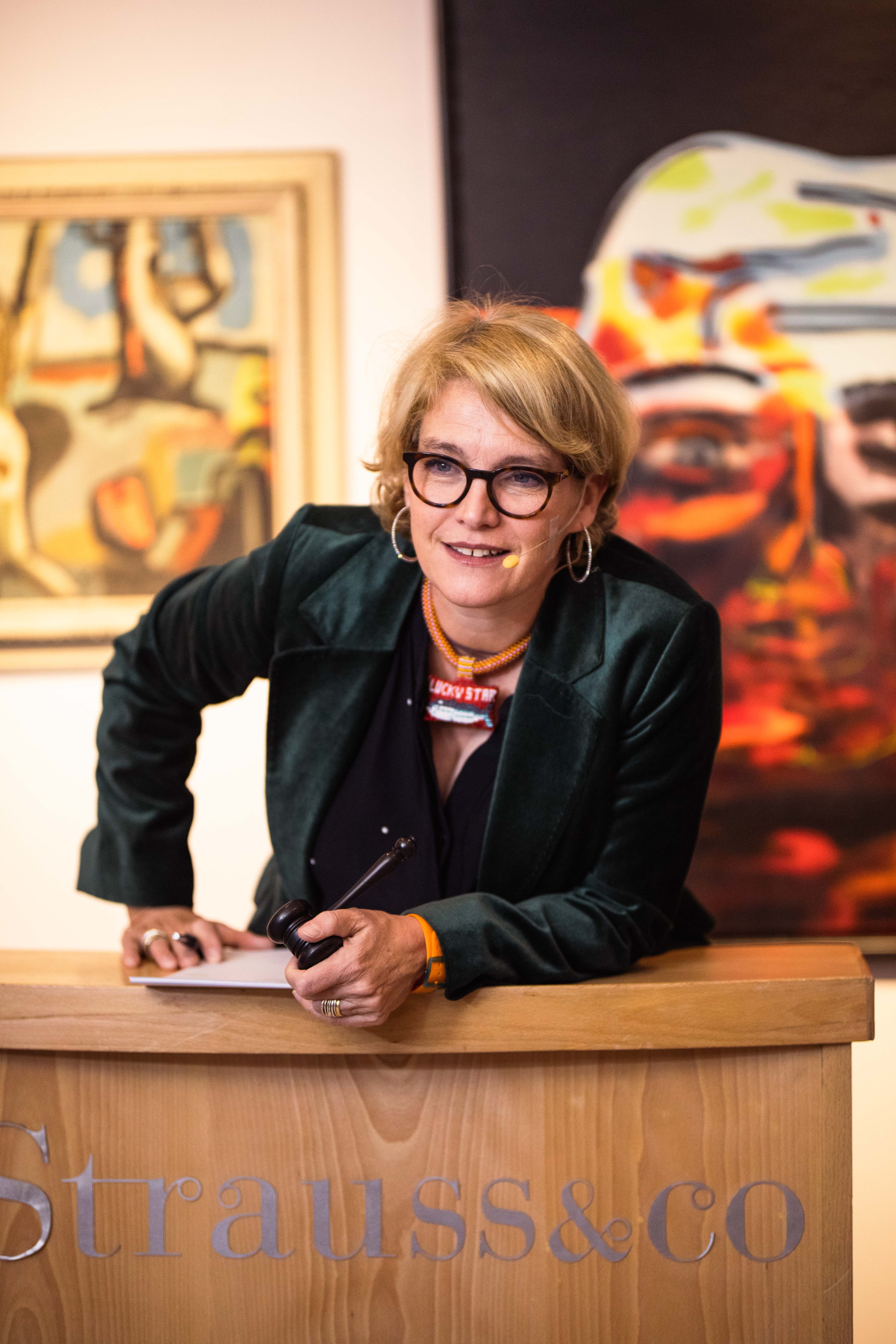
Image Courtesy: Strauss & Co.
However, it can be risky for emerging artists to have their works at auction – if they don’t sell, it may appear as if there isn’t demand for their work. Nevertheless, there is a certain kudos attached to art that is offered at auction – which is associated with art that is valued.
Alternative platforms stimulate new art buyers
A range of different kinds of easy-to-access events that are focussed on developing audiences and artists at a grass-roots level have been gradually mushrooming across the country. Consider the First Thursdays initiative established in 2012: Although some suggest that its appeal now lies primarily in its social aspects, this monthly event in Cape Town and Johannesburg, which sees galleries open until 8pm, has significantly increased access to art for Gen Z and millennial audiences. These generations, who may have previously felt unwelcome in spaces where purchasing power was expected, have benefited from the inclusive environment fostered by the event.
“The role and impact of First Thursdays has been massive,” observes Charl Bezuidenhout, founder of WORLDART Gallery in Cape Town.
Contra.Joburg (formerly known as Open Studios) has created a platform for Joburg artists in the myriad shared studios in the inner city to access potential art buyers, which tour these studios via a hop-on-hop-off bus service. Similarly, visitors are given access to artist studios and works that largely don’t make it into galleries or art fairs – as so many of the artists in this programme are independent. The artists tend to create a range of works for sale for the event, which is patronised by young professionals looking to get a taste of the pleasures of buying art.
Art Under The Bed is another initiative, which is now staged in both Joburg and Cape Town, that provides a platform for independent and established artists to make affordable works available to the public in a low-key domestic setting, which is free to attend.
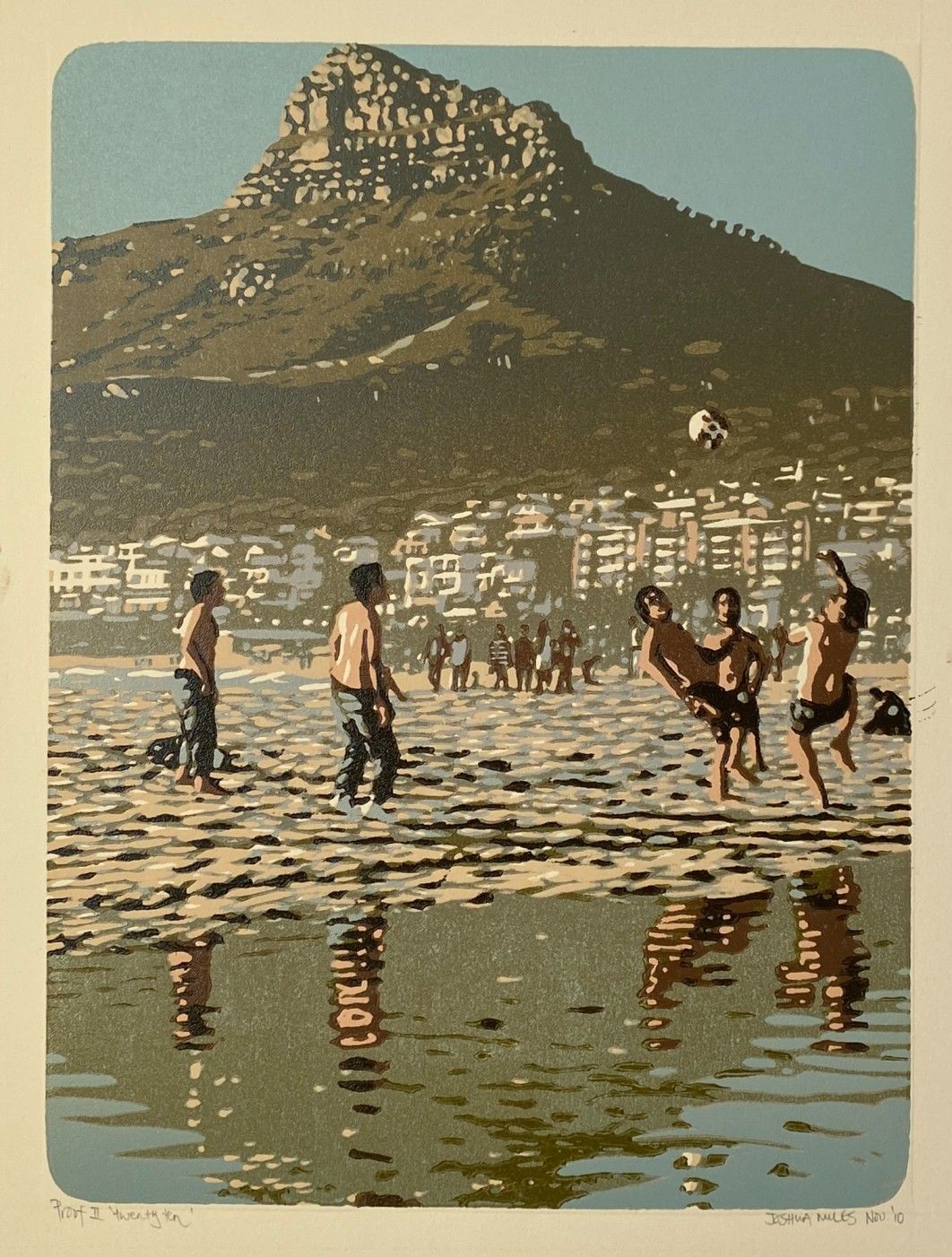
Joshua Miles, Twenty ten AP 2/2, 2010, R12,000.00 ex. VAT, presented by WORLDART, CONTACT TO BUY
“Art under the bed… introduces a lot of artists to a lot of younger collectors… the pop-ups… all serve to demystify the visual arts experience,” says Emma Van der Merwe, director at Everard Read Gallery Cape Town.
The Heat Winter Arts Festival, established by Corrigall & Co in 2024, which was designed to invigorate Cape Town’s art scene during its slow winter season, is also focused on access – participating galleries are encouraged to work with artists they haven’t before. With the majority of works offered by emerging artists, the art on offer is within reach of local collectors. Opening night is free to attend. The Emerging Artists You Should Know publication introduces a selection of the rising artists to audiences through texts that aren’t jargon-heavy.
Art entrepreneurship is at an all-time high; there has been a flurry of pop-up galleries, exhibitions, talks, curated walkabouts of galleries and quasi-collector groups such as Women Who Collect Art, among others. This is, of course, all a direct spin-off of the democratising forces in the art world. Entry to it no longer has to be negotiated or is conditional, allowing more people to participate in engaging their communities and peers.
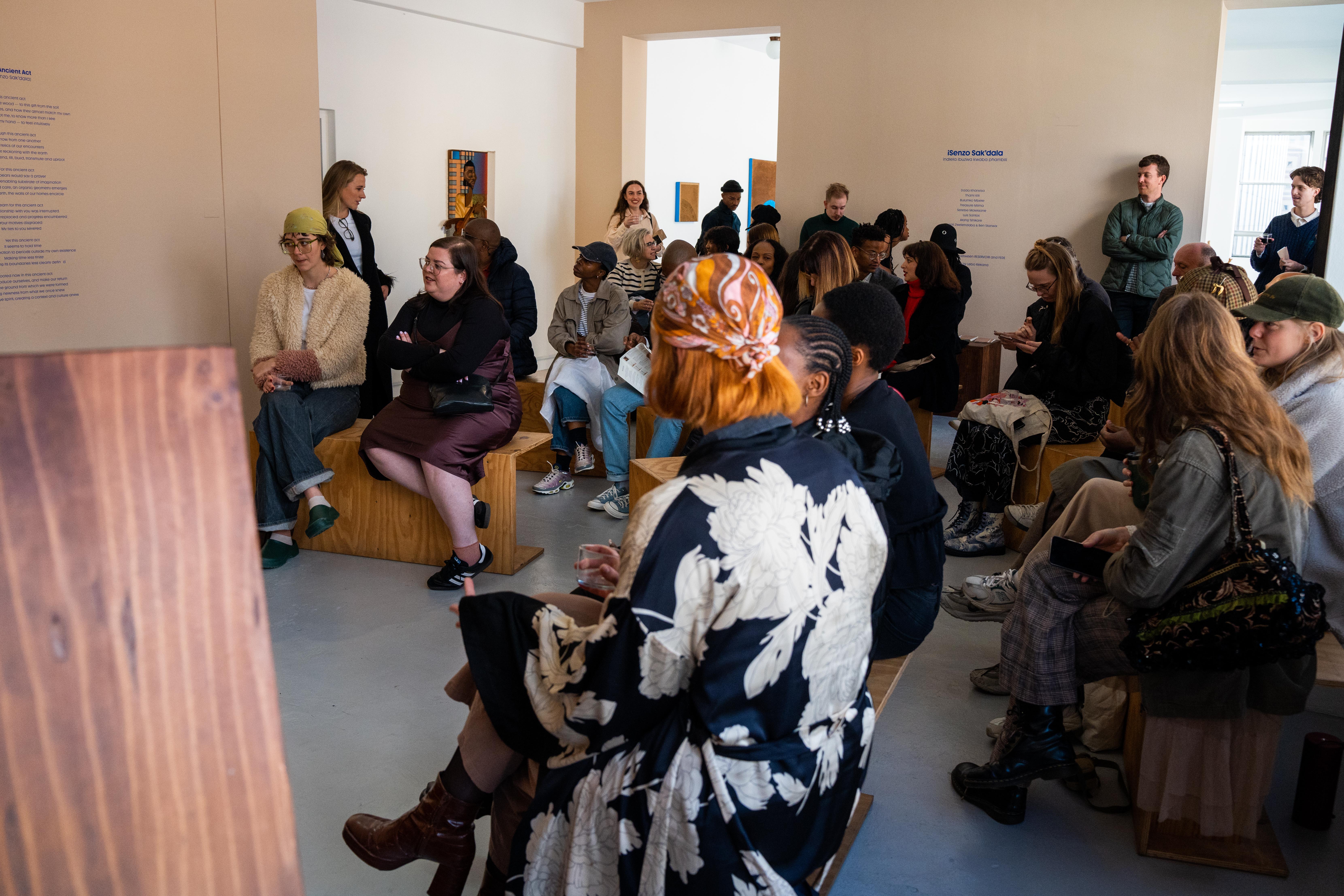
Image courtesy: Art School Africa
Corrigall is a Cape Town-based art researcher, consultant and director of the Heat Winter Arts Festival.
Further Reading In Articles


African Artist Directory