
Collector Interview with Kenyan-born, Morocco-based art collector: Kaniaru Wacieni
- by Chelsea Selvan
What does building energy ecosystems across Africa have in common with collecting contemporary art?
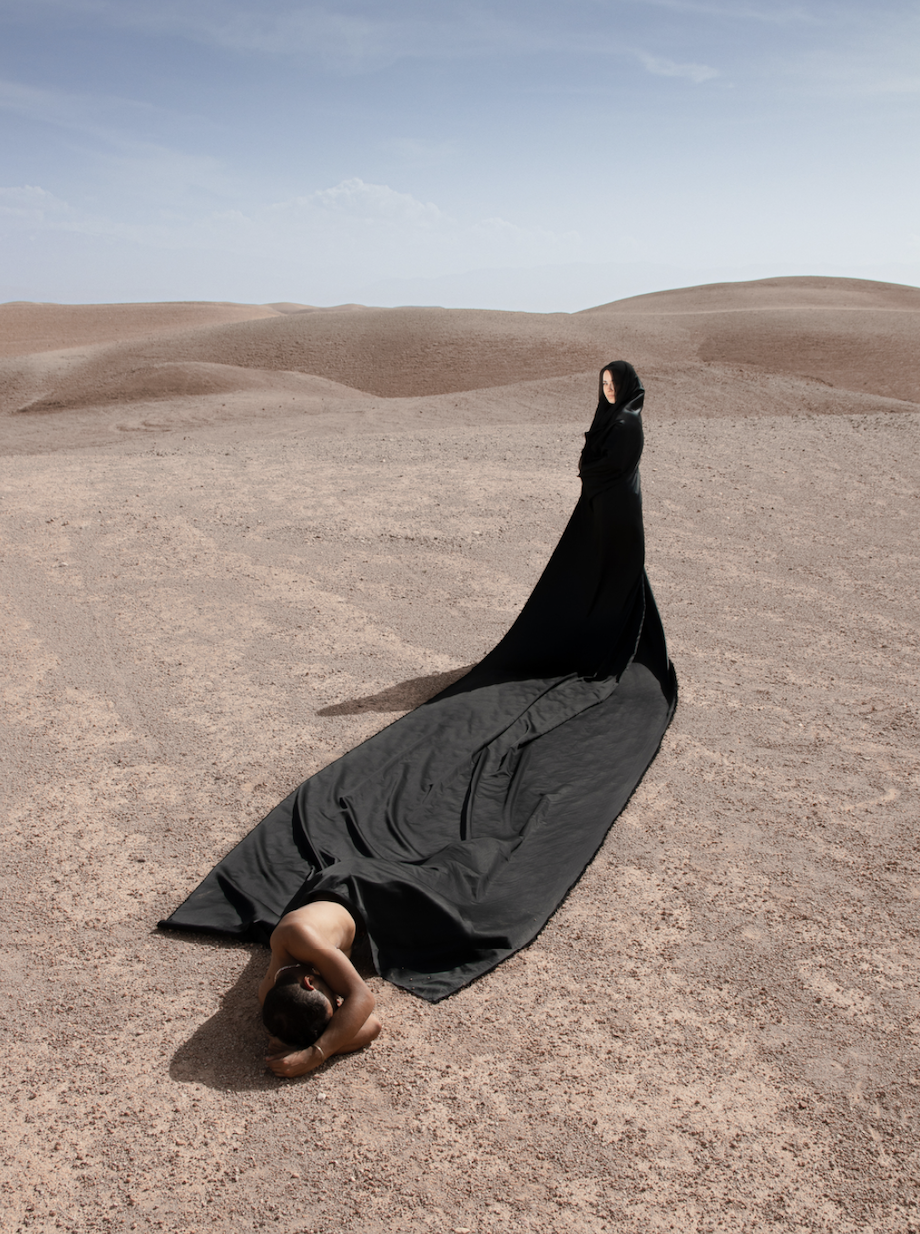
Fatimazohra Sherri, Safe and Sound, photograph - fujiflex print mounted on aluminum, courtesy of the collection of Kaniaru Wacieni
------------------------------------------
Our Head of Content, Chelsea Selvan, goes in-depth with Kaniaru Wacieni - a Kenyan-born, Morocco-based art collector whose eye for art is as sharp as his background in infrastructure.
For Kaniaru Wacieni, the parallels between building energy ecosystems across Africa and collecting contemporary art are striking: both demand research, networks, and a vision for value and longevity. In this interview, he traces his journey from an early fascination with architecture to acquiring works by artists like Maimouna Guerresi, Fatimazohra Serri and Chemu Ng’ok. Through these reflections, Wacieni muses on the responsibilities of collectors in Africa’s art ecosystem, and gives simple but powerful advice: be curious, and buy what you love.
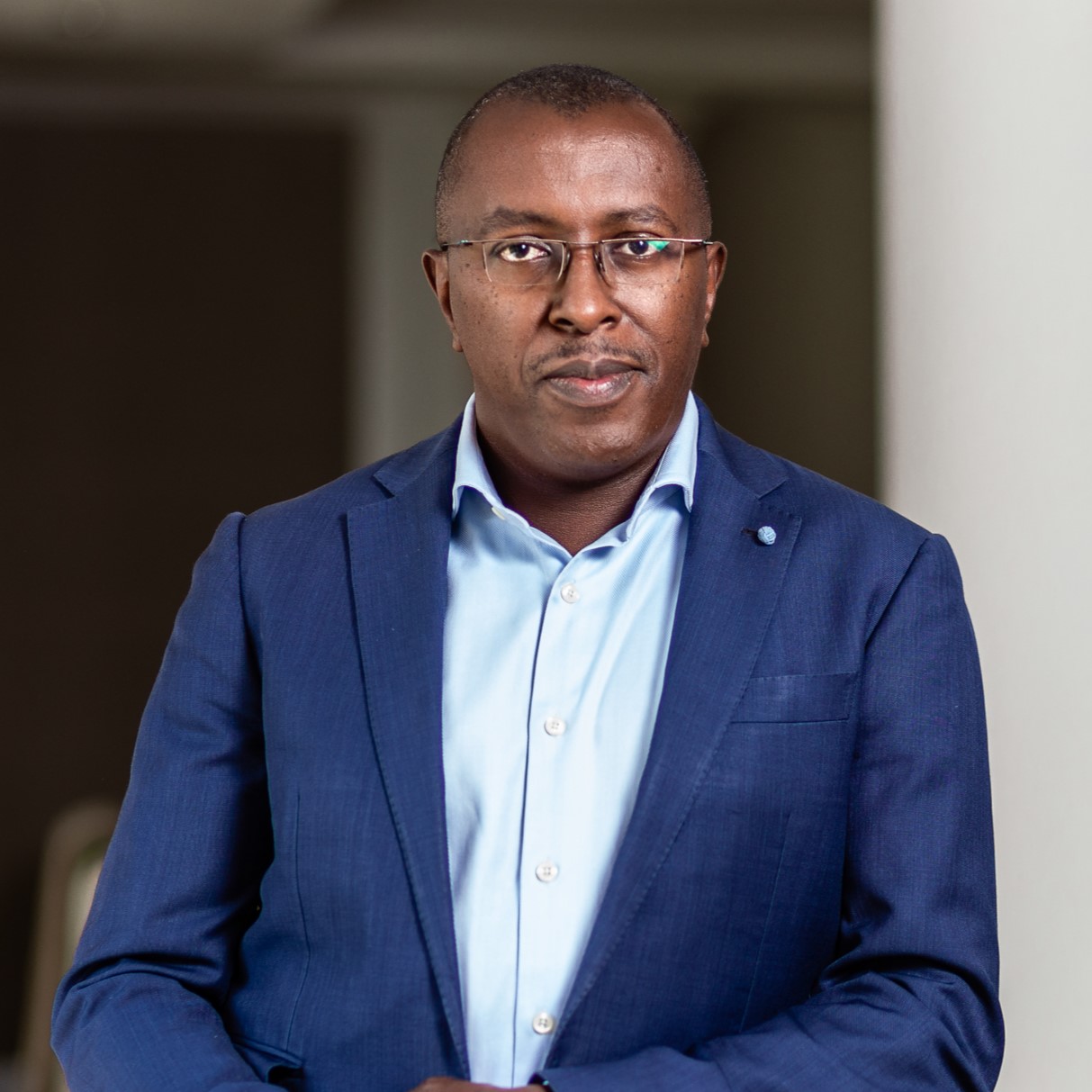
Kaniaru Wacieni is a Senior Director at Africa50, a pan-African infrastructure investment platform, based in Morocco. He has spent over 20 years in the financial services sector focused in infrastructure investing, M&A advisory, and debt and equity financings. Wacieni's career has included assignments in New York, London and Nairobi. He holds a BA with honours from Harvard University and an MBA from Harvard Business School. He is an avid collector of contemporary African art.
Let’s get into it!
------------------------------------------
Latitudes Online (LO): How did your interest in art collecting begin, and what motivated you to start your collection?
Kaniaru Wacieni (KW): I have had a longstanding interest in art, informed by an early interest in architecture, which was a strong academic interest. I had always visited museums and galleries, and even occasionally bought a piece. My conscious and intentional journey as a collector began about 15 years ago, with my oldest sister, a collector in her own right, being a key instigator. She gifted me a beautiful sculpture by Louis Chanu, a South African artist, and for the first time, made me interested in understanding the work of the artists.
LO: Can you share the story behind the very first artwork you acquired? How did that acquisition shape your collecting journey?
KW: The first artwork that I purposefully acquired was a photograph titled “Mother Minaret” by Maimouna Guerresi, the Italian Senegalese artist. It captures the complexities of the individual practice of religion and the relation to the community. I saw the piece online and reached out to the gallery, Galleria Officine dell’Imagine, via Artsy, and acquired the work. This work captured something fundamental about the works that I find interesting: works that reflect people searching for agency, navigating the interstices of life and society, work that has an inherent tension.
LO: Which work/works in your collection would you say best capture your taste or journey as a collector?
KW: Maimouna Guerresi is a clear example. Fatimazohra Serri, a talented young Moroccan photographer, whose piece, “Safe and Sound” is a firm favorite. Chemu Ng’ok, Kaloki Nyamai, Shirin Neshat and Kamyar Bineshtarigh are other artists in my collection that I love. Their works, ranging from photography to more abstract work, capture that quest for agency and navigating the “in between” spaces of life. These also reflect works by non-African artists such as Shirin, which is important given the universal nature of art.
LO: How do you balance the desire to collect with financial considerations and investment potential?
KW: I believe it is important to buy what one can afford. I do spend a fair bit of time trying to assess the work, its pricing relative to the artist’s stage, and also relative to other works at the same price. It is not a scientific process, but I do want to get a sense that I am getting ‘value’ at that price for the work.
I also focus mostly on emerging and mid-career artists, which does give potential for the artists' careers to continue to evolve and grow, and with it, the value of their works.
LO: I’ve read that you've helped build energy ecosystems - are there lessons from that world that could be applied to building a more resilient and connected art ecosystem in Africa?
KW: Collecting art for me mirrors the discipline and due diligence of infrastructure investment. It demands research, extensive networks, and an eye for value. Resolving the significant infrastructure gap in Africa also requires looking at this holistically from addressing policy gaps, mobilizing investments, addressing other requirements for ancillary infrastructure, and several other roles. In many respects, this is very similar to the role that art collectors often need to play in Africa given the underdeveloped art ecosystem: from being a steward of culture to taking on multiple roles in the art ecosystem: as a patron, connector, and even policy advocate.
LO: What advice would you give to someone who may feel intimidated to start collecting art but is eager to, just not sure how or where to start?
KW: My advice for anyone who is curious about art:
Be open, be curious, and buy what you love. Go to art fairs and auctions, visit galleries, and engage with artists and curators.
The art world can seem intimidating - but if you follow your instincts, you’ll find pieces that speak to you and evolve your mission as a collector. That’s where the magic begins.
Artworks from the collection of Kaniaru Wacieni


Further Reading In Articles


African Artist Directory